Ch. 1free to read
The Personalized Diet
What It’s About
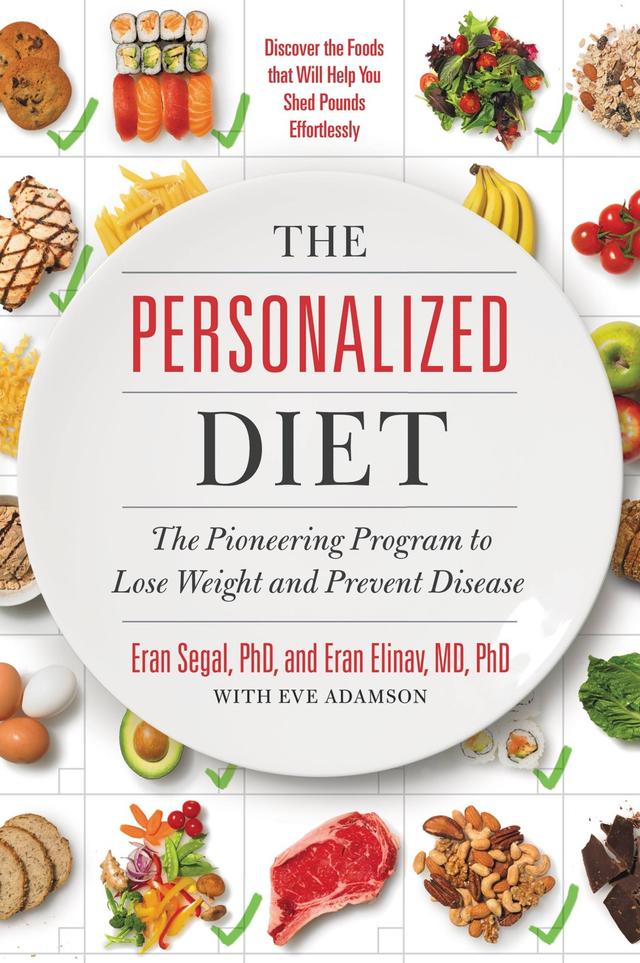
Eran Segal and Eran Elinav's groundbreaking research demolishes the one-size-fits-all diet myth. Two people can eat the exact same meal and have wildly different blood sugar responses. Discover how your unique microbiome shapes how your body handles food, and learn a science-backed approach to eating that actually works for you.
Three Key Ideas
Individual Blood Sugar Responses Vary Widely
The same food can spike one person's blood sugar dramatically while leaving another person's unchanged, making universal diet rules unreliable.
Your Gut Microbiome Shapes How You Process Food
The trillions of bacteria in your gut are unique to you and directly determine how your body extracts energy and handles carbohydrates.
Personalized Testing Replaces Guesswork
A basic glucose meter and one week of meal testing lets anyone identify which foods are genuinely harmful or harmless for their own body.
Read a Sample
The Personalized Diet: summary
The bread that should have been good for him
Daniel was the kind of person nutritionists love. A graduate student at the Weizmann Institute in Israel, he had quietly built his life around what every health magazine on the planet calls a wise choice. He bought hand-baked, stone-milled, whole-grain sourdough from a small bakery he trusted. He never touched the soft white loaves at the supermarket. Bread, for him, meant fiber, minerals, and the slow, dignified carbs of an ancient grain. Then his own lab ran a study on him.
For a week, Daniel ate that beautiful sourdough every morning. Then for another week, after a break, he ate plain commercial white bread, the kind he had been morally avoiding for years. A continuous glucose monitor on his arm recorded his blood sugar every five minutes, day and night. When the data came back, Daniel could not believe what he was looking at. The "healthy" sourdough sent his blood sugar climbing in the kind of curve that gives endocrinologists nightmares. The cheap white bread? Almost nothing. His lab mate, eating the exact same two breads on the exact same schedule, got the opposite result. The bread Daniel had been avoiding his entire adult life was the better bread for his body. The bread he had been buying at a premium was, for him, a problem.
This summary unpacks the book that grew out of that experiment, written by computational biologist Eran Segal and immunologist Eran Elinav. Three ideas are worth holding on to. First, the same food can push two people's blood sugar in opposite directions, partly because of the bacteria in their gut, which is why diet advice built for the average person fails so many people. Second, your blood sugar after a meal is an honest, early signal of how your body handled that food. Third, you can find out which foods are good for your own body with a cheap meter and about a week of testing, and then use small tweaks to keep some of the foods that spike you. These three are a way to listen to this summary, not the book's own outline.
Who It’s For
- Anyone who has tried multiple diets and never found one that worked long-term.
- Anyone who wants to understand why mainstream nutrition advice has failed so many people.
- Anyone who is managing prediabetes or blood sugar concerns and wants a practical, evidence-based approach.
- Anyone who is curious about the gut microbiome and how it connects to everyday eating decisions.
About the Author: Eran Segal, Eran Elinav
Eran Segal is a computational biologist at the Weizmann Institute of Science in Israel, where he leads research at the intersection of machine learning, genomics, and nutrition. Eran Elinav is an immunologist and physician at the same institution, with a clinical background in gastroenterology. Together they led the Personalized Nutrition Project, one of the largest controlled nutrition studies to date, tracking blood sugar responses across a thousand volunteers and fifty thousand meals.
Their work has been published in leading scientific journals and has drawn wide attention for challenging the premise behind standard dietary guidelines. Both authors became subjects of their own research and changed their personal diets based on what the data showed.