 English
 Magyar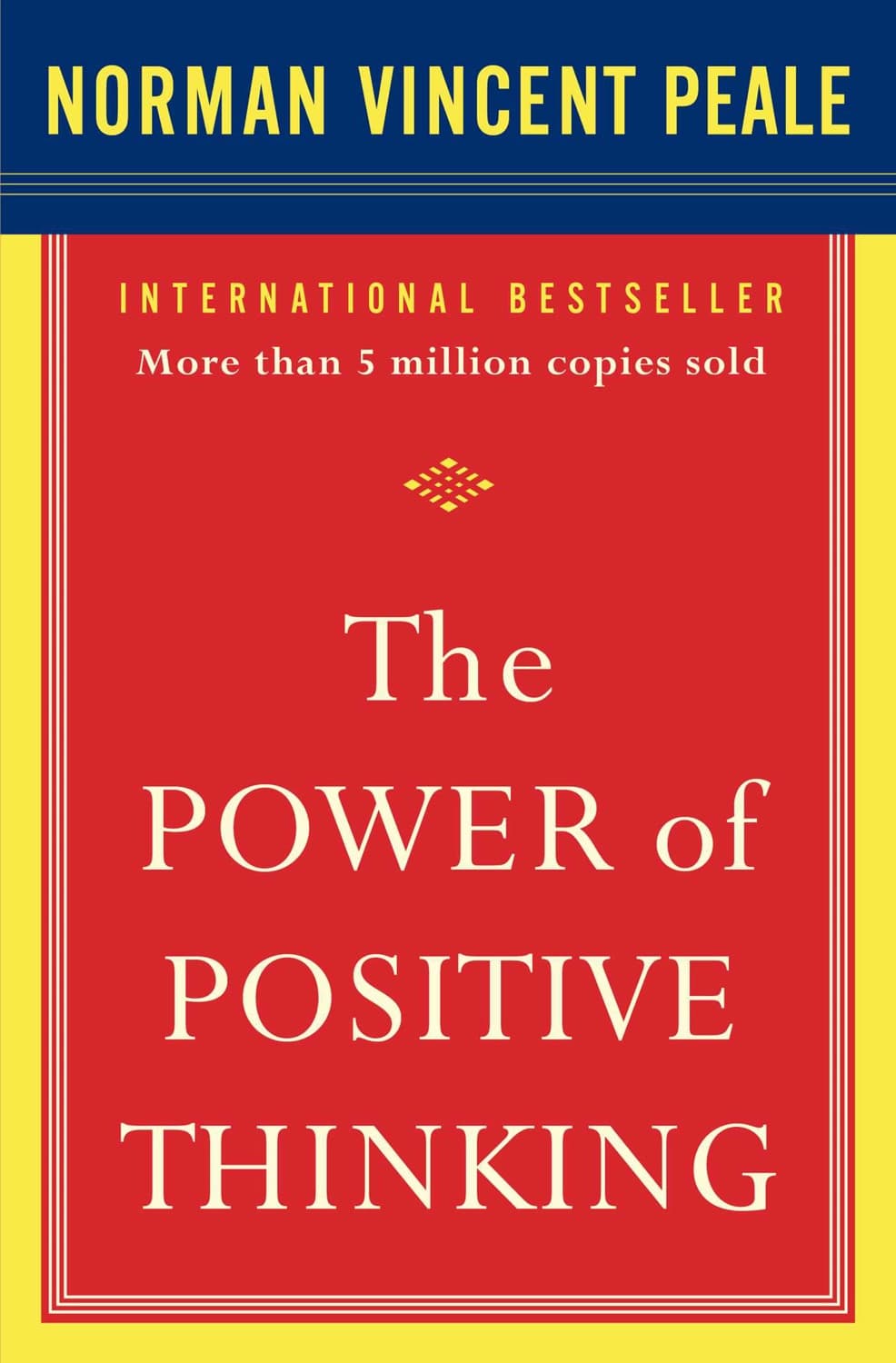
The Power of Positive Thinking
Dr. Norman Vincent Peale
Free download · 500+ book summaries
What is The Power of Positive Thinking about?
The 1952 book that started the entire positive-thinking movement. Norman Vincent Peale, a Manhattan pastor, combined Christian faith with applied psychology to argue that disciplined optimism rewires outcomes. Sold over 5 million copies in its first decade and quietly shaped Tony Robbins, Joel Osteen, and almost every modern self-help author.
Key ideas of The Power of Positive Thinking
Thought conditioning rewires outcomes
Consistently replacing self-defeating thoughts with specific counter-thoughts gradually reshapes behavior and, through it, real-world results.
Emotional conflict drains energy
Unresolved resentment, guilt, and chronic anxiety consume more cognitive resources than physical effort, directly cutting performance and output.
Mental images direct behavior
Forming and holding a precise picture of a desired outcome focuses attention and steers daily choices toward that target far more effectively than vague intention.
Read an excerpt from the summary
The Power of Positive Thinking — Norman Vincent Peale
A business conference had just ended. The audience had dispersed. One man waited.
He was forty years old, and when he finally got Peale alone backstage, the words came out in a rush: tomorrow morning he had the most important deal of his career. If it succeeded, everything would be fine. If it failed, he was done. He slumped forward. "I have a terrible disbelief in myself," he said. "All my life I've been tormented by inferiority feelings, by self-doubt. I heard you speak tonight about positive thinking. I have one question: how do I get some faith in myself?"
Peale asked a few questions, then reached into his pocket and wrote a sentence on a small card. He handed it over. The sentence was from Philippians 4:13: "I can do all things through Christ which strengtheneth me."
"Say these words three times tonight before you sleep," Peale told him. "Three times when you wake up. Three more times on your way to the meeting. Say them with genuine faith, not as a recitation."
The man read the card. Then something small but visible happened. His shoulders came up. Not dramatically. Just up. "O.K., Doctor. O.K." He tucked the card away and walked into the night.
A few weeks later, a letter arrived. The deal had gone through. "It seems incredible that a few words from the Bible could do so much for a person."
This opening story is the purest distillation of everything Peale argues across 280 pages. Not that magic words produce results. That there is a mechanism connecting thought and reality, and this mechanism can be learned, practiced, and deployed. Positive thinking, in Peale's framework, is not optimistic self-delusion. It is a structured psychological and spiritual practice with a specific operating logic.
Like it?
Continue in the appWho is it for?
- Anyone who struggles with persistent self-doubt or a chronic inner voice that predicts failure.
- Anyone who feels drained and unfocused despite not being overworked and wants to understand why.
- Anyone who wants a time-tested, practical framework for building confidence before high-stakes situations.
- Anyone who is curious how a 1952 pastoral bestseller anticipated core ideas in CBT, habit science, and performance psychology.
About the author: Dr. Norman Vincent Peale
Norman Vincent Peale (1898-1993) was an American Protestant minister and author who served as pastor of Marble Collegiate Church in New York City for more than six decades. He built a national audience through a syndicated newspaper column, a long-running radio program, and the inspirational magazine Guideposts, which he co-founded.
Peale drew on his own well-documented struggles with self-doubt and inferiority to write with unusual specificity about those experiences. He combined Christian theology with applied psychology at a time when the two rarely appeared together in popular writing, and his approach shaped a generation of self-help authors who followed him.
Read it in 45 minutes
The summary of The Power of Positive Thinking and 500+ more books await in the BookBase app.