 English
 Magyar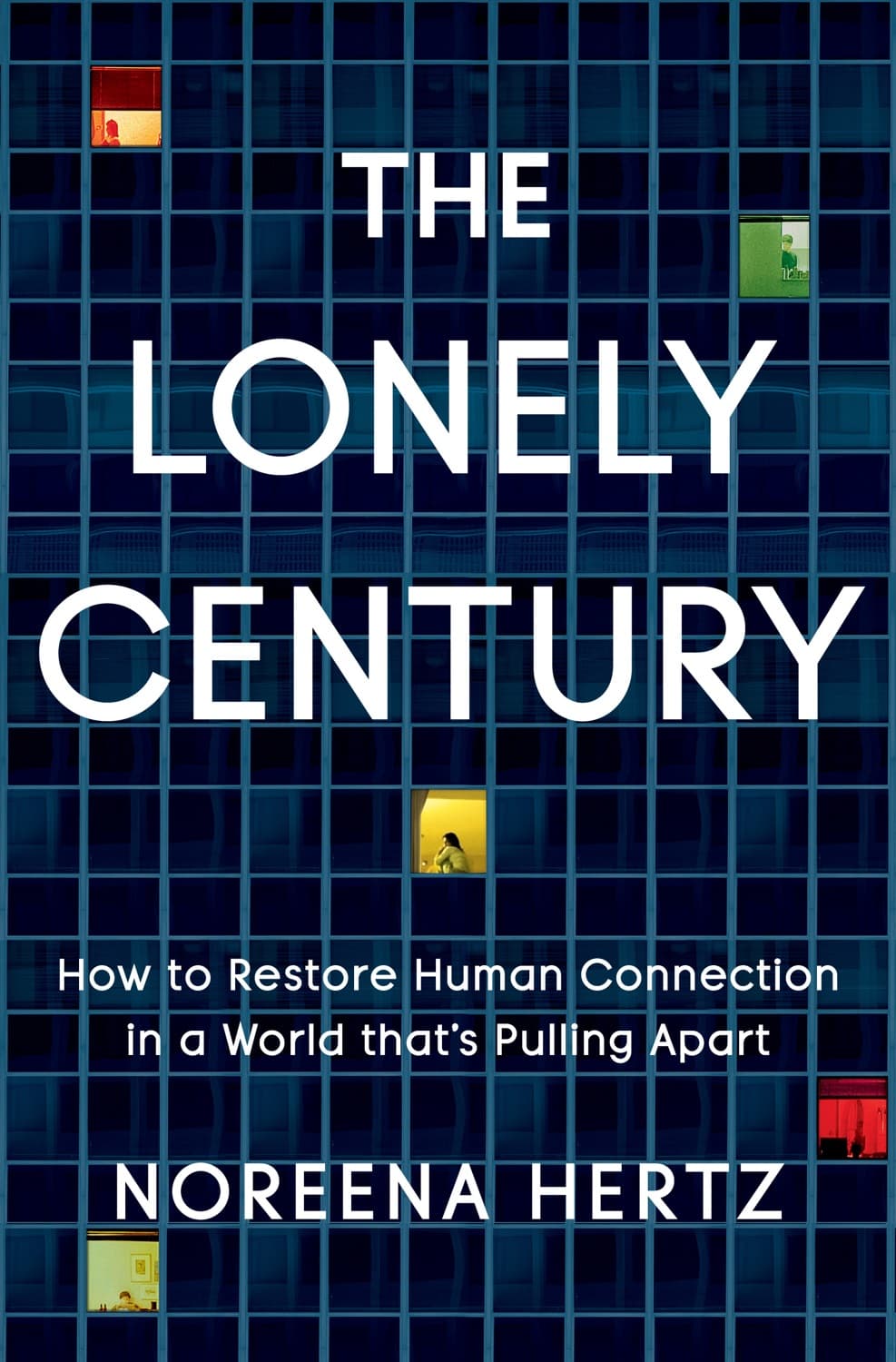
The Lonely Century
Noreena Hertz
Free download · 500+ book summaries
What is The Lonely Century about?
Noreena Hertz exposes the silent epidemic reshaping our health, politics, and economies: chronic loneliness in an age of constant connection. From hostile architecture and dating apps to populist demagogues, she traces how isolation became big business and points to the rituals and small communities that can pull us back together.
Key ideas of The Lonely Century
Loneliness as a Structural Crisis
Chronic loneliness is not a personal failing but the predictable outcome of four decades of neoliberal policy, technological change, and eroded civic infrastructure.
Isolation Harms Body and Democracy
Loneliness carries the same health risk as smoking fifteen cigarettes daily and drives isolated people toward authoritarian, populist politics that promise belonging.
Connection Can Be Rebuilt by Design
From Barcelona's car-free superblocks to communal workplace meals, deliberate choices in how we design cities, workplaces, and regulation can restore genuine community.
Read an excerpt from the summary
The Lonely Century by Noreena Hertz — English Summary
Introduction: The Century of the Lonely
Imagine paying forty dollars an hour just to have someone sit across from you in a Manhattan café and pretend to be your friend. On September 24, 2019, that's exactly what Noreena Hertz did. She met Brittany at Cha Cha Matcha in NoHo — a twenty-three-year-old Brown graduate who couldn't find work in her field, so she rented herself out through RentAFriend, a platform with over 620,000 friends for hire in dozens of countries. Brittany's typical clients? "Lonely, thirty-to-forty-year-old professionals. The kind of people who work long hours and don't seem to have time to make many friends."
This is the world Hertz wants us to see clearly. Not loneliness as a private sadness, but loneliness as the defining condition of our age — a structural symptom of how we've built our economies, our cities, our workplaces, and our lives. The book argues that the loneliness crisis is not the fault of weak individuals or lazy friendships. It is the predictable outcome of forty years of policy choices, technological shifts, and cultural drift. Unless we treat it as such, the social and political consequences will keep compounding.
Then COVID arrived. By March 31, 2020, with roughly 2.5 billion people in lockdown, the loneliness Hertz had been documenting became unignorable. German hotlines reported a fifty-percent surge in calls; one psychologist noted that callers were "more afraid of loneliness than of getting infected." A British child whispered to Childline, "My mum won't hug me." The pandemic did not create the lonely century. It simply ripped off the cover.
Like it?
Continue in the appWho is it for?
- Anyone who wants to understand why loneliness has become a defining public health and political crisis of our time.
- Anyone who works in urban planning, policy, or technology and wants to see how design choices shape human connection.
- Anyone who has felt isolated despite living in a hyperconnected city or working in a busy office.
- Anyone who is concerned about the rise of populism and wants a rigorous account of its social and psychological roots.
About the author: Noreena Hertz
Noreena Hertz is a British economist, author, and professor known for her work on global economic power, inequality, and corporate influence. She has held academic positions at University College London and has advised governments and international organizations on economic policy.
Her previous books include works on corporate power and debt, and she is a regular commentator in international media on economics, politics, and society. The Lonely Century draws on her background in economics and behavioral science to make a structural argument about a problem often treated as purely personal.
Read it in 58 minutes
The summary of The Lonely Century and 500+ more books await in the BookBase app.