 English
 Magyar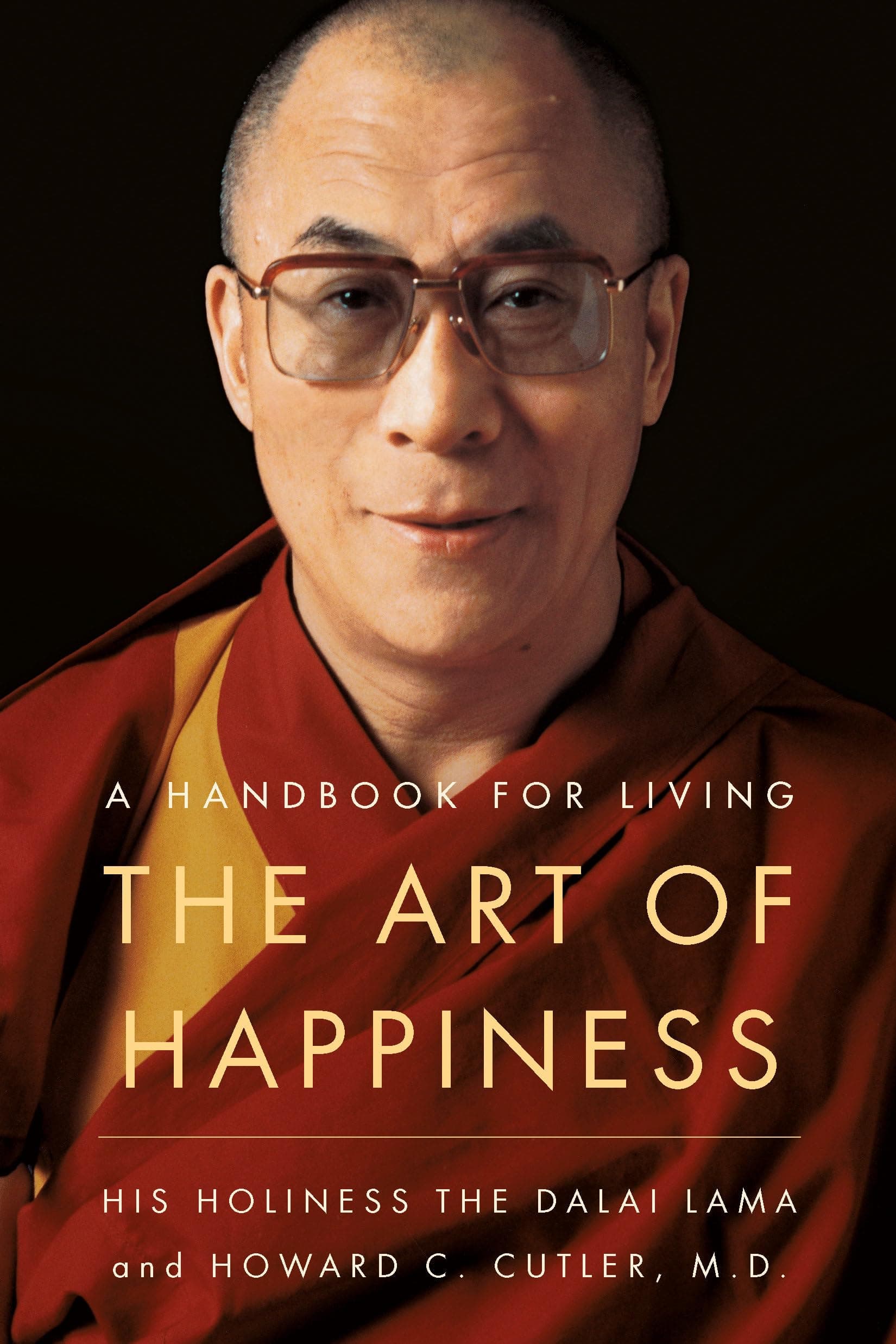
The Art of Happiness
Dalai Láma
Free download · 500+ book summaries
What is The Art of Happiness about?
The Art of Happiness is based on interviews conducted by psychiatrist Howard C. Cutler with His Holiness the Dalai Lama. The integration of the Tibetan Buddhist spiritual tradition with Dr. Cutler's knowledge of Western therapeutic methods and scientific research makes this book a highly accessible guide to everyday happiness. The book spent 97 weeks on the New York Times bestseller list.
Key ideas of The Art of Happiness
Happiness Is a Trainable Skill
The Dalai Lama argues happiness is not a product of luck or wealth but a discipline built through deliberate mental practice over time.
External Circumstances Matter Less Than We Think
Lottery winners and people who survive catastrophic illness both return to a habitual emotional baseline, showing that life events predict happiness poorly.
Compassion as a Daily Practice
Genuine compassion, extended to strangers and enemies alike, produces measurable health benefits and forms the foundation of lasting inner contentment.
Read an excerpt from the summary
A Monk in a Locker Room
In 1993, Howard Cutler wandered into the basketball locker room at Arizona State University and found the Dalai Lama sitting alone. In a few minutes, this man would walk out and speak to six thousand people. He looked completely at ease. Not a press secretary in sight. No notes. No nerves. Just a Tibetan monk in maroon robes, present and unhurried.
That image is the seed of *The Art of Happiness*. Cutler, an American psychiatrist, had first met the Dalai Lama a decade earlier in Dharamsala, the Himalayan village that had served as the seat of the Tibetan government-in-exile for forty years after the Chinese invasion. About a hundred thousand Tibetans had fled with him. He had every reason to be miserable. Yet when Cutler asked, plainly, "Are you happy?", the answer came back quiet and certain: "Yes. Definitely."
The book that grew out of their conversations is built around a single, contrarian claim. Happiness is not the byproduct of luck or wealth or romantic love. It is a skill. You can train for it the way an athlete trains for a sport, and most of the training happens between your own ears.
That claim sets the Dalai Lama against a lot of Western intellectual tradition. Freud, after all, declared that "the intention that man should be happy is not included in the plan of Creation." The English word "happy" itself comes from the Icelandic *happ*, meaning luck or chance. The Tibetan word the Dalai Lama uses for mind, *Sem*, is wider than its English cousin. It folds intellect, feeling, heart and spirit into one. When he talks about training the mind, he means training all of that.
Like it?
Continue in the appWho is it for?
- Anyone who feels that external success has not made them as happy as they expected.
- Anyone who struggles with anger, anxiety, or chronic negative thinking and wants a practical framework to address it.
- Anyone who is curious how Buddhist mental training compares to Western psychology and what they share.
- Anyone who wants a guide to building meaningful relationships and a more compassionate, connected daily life.
About the author: Dalai Láma
The Dalai Lama, born Tenzin Gyatso in 1935, is the fourteenth Dalai Lama and the spiritual and former political leader of Tibet. He has lived in exile in Dharamsala, India, since 1959, following China's occupation of Tibet. He received the Nobel Peace Prize in 1989 for his nonviolent advocacy for Tibetan autonomy.
Howard C. Cutler is an American psychiatrist based in Phoenix, Arizona. He conducted the extended interviews with the Dalai Lama that form the basis of this book, and he frames the conversations through the lens of Western therapeutic practice and scientific research.
Read it in 51 minutes
The summary of The Art of Happiness and 500+ more books await in the BookBase app.