 English
 Magyar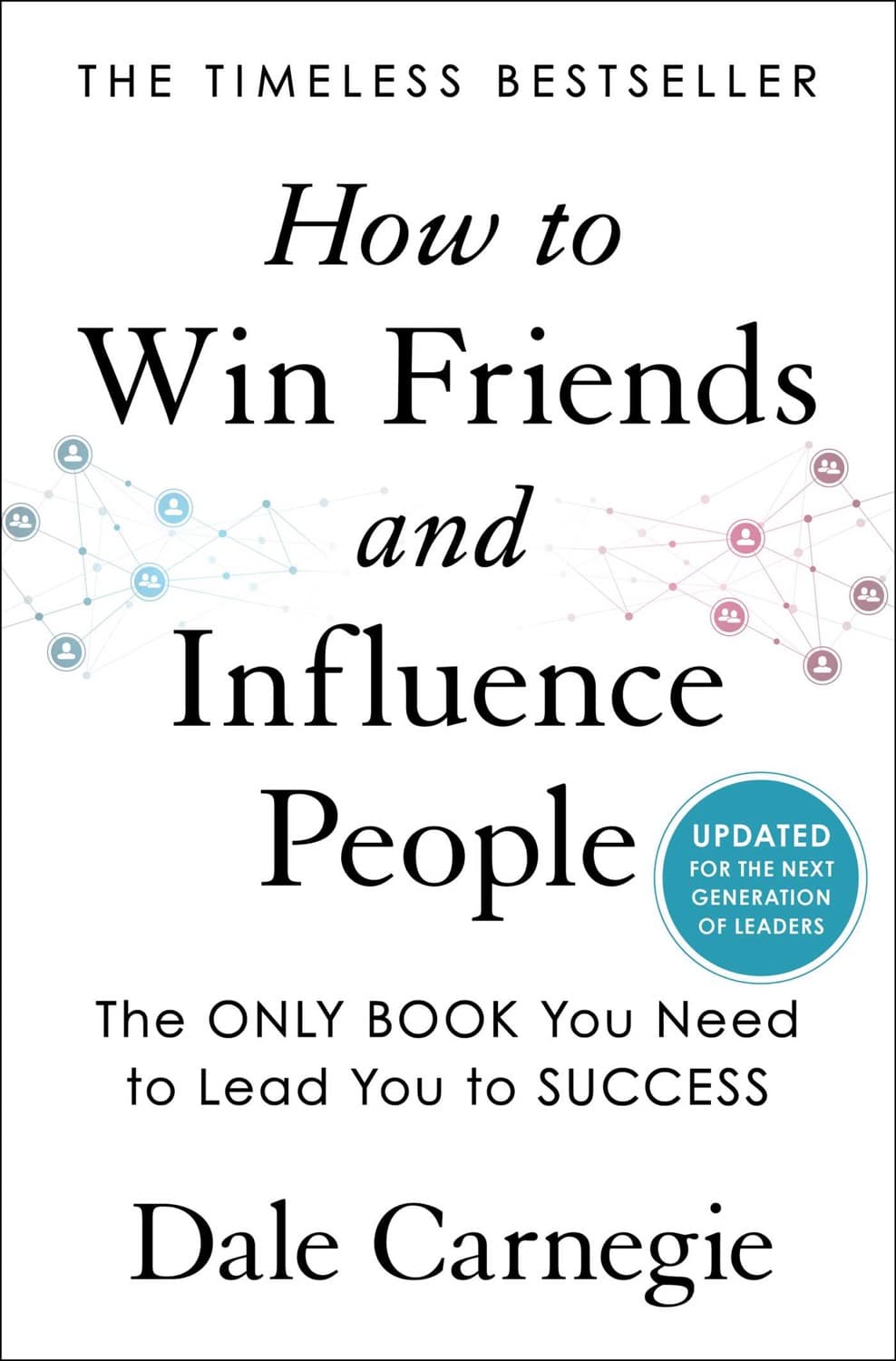
How to Win Friends and Influence People
Dale Carnegie
Free download · 500+ book summaries
What is How to Win Friends and Influence People about?
The 1936 classic that became the foundational text of modern social skills. Dale Carnegie's principles, take genuine interest in people, remember names, make others feel important, are obvious only because his book put them into the language. Still required reading after almost 100 years.
Key ideas of How to Win Friends and Influence People
Criticism Never Changes People
Attacking someone's behavior triggers defensiveness, not reflection, so the only productive question is what approach actually produces the outcome you want.
Genuine Attention Is Rare and Powerful
Remembering names, listening without planning your next sentence, and taking real interest in others creates influence that argument and logic rarely achieve.
Agreement Requires the Right Conditions
People accept hard ideas from those who first make them feel heard and valued, so fixing the relationship is the precondition for any effective persuasion.
Read an excerpt from the summary
How to Win Friends and Influence People
In 1935, a steel company executive named Charles Schwab was earning a million dollars a year at a time when the average American worker made less than a thousand. This was not because he understood metallurgy better than anyone else in the industry. Carnegie Steel employed men who knew the technical side of the business far more deeply than Schwab did. He would have admitted that himself. What Schwab had -- and what Andrew Carnegie paid a million dollars a year to keep -- was the ability to handle people. He could walk onto a factory floor where workers were underperforming and, without raising his voice or issuing a single threat, turn the situation around. He did it by making each person feel genuinely valued. He did it with honest appreciation, delivered specifically and sincerely, not as a management technique deployed from a manual but as something that had become a natural reflex. Carnegie told a reporter that Schwab's gift for dealing with people was worth more to the company than all the technical expertise on the payroll combined.
Dale Carnegie heard that story and built a course around it. Not around manipulation. Not around tricks. Around the straightforward observation that most people spend their entire lives trying to change others through criticism, argument, and coercion -- methods that almost never work -- while ignoring the approaches that actually do. His book, How to Win Friends and Influence People, was published in 1936. It went through print run after print run so fast that Simon and Schuster could barely keep it stocked. By the time Carnegie died in 1955, more than five million copies had been sold. Today, nearly ninety years later, the number stands at over thirty million. Warren Buffett took Carnegie's public speaking and human relations course in Omaha in 1951 at age twenty. The certificate of completion still hangs in his office -- the only diploma on the wall. He has said it changed his life more than any business school could have.
Like it?
Continue in the appWho is it for?
- Anyone who wants to resolve conflicts at work without damaging relationships.
- Anyone who manages or leads people and needs them to change behavior willingly.
- Anyone who struggles to persuade others and wonders why logic and argument fall flat.
- Anyone who wants to build deeper, more trusted connections in both professional and personal life.
About the author: Dale Carnegie
Dale Carnegie was born in 1888 on a farm in Maryville, Missouri, and spent years failing at acting, sales, and other pursuits before stumbling into adult education at a Manhattan YMCA in 1912. He offered to teach public speaking in exchange for a share of fees if the class succeeded. It did, and he spent the next two decades building a curriculum that covered the full range of human relations.
Carnegie gathered case studies obsessively from Lincoln's letters, Rockefeller's business records, and thousands of students who tested his principles in real workplaces and reported back. How to Win Friends and Influence People, published in 1936, distilled roughly twenty-four years of that work. He died in 1955, by which point over five million copies had been sold. The total today exceeds thirty million.
Read it in 44 minutes
The summary of How to Win Friends and Influence People and 500+ more books await in the BookBase app.