 English
 Magyar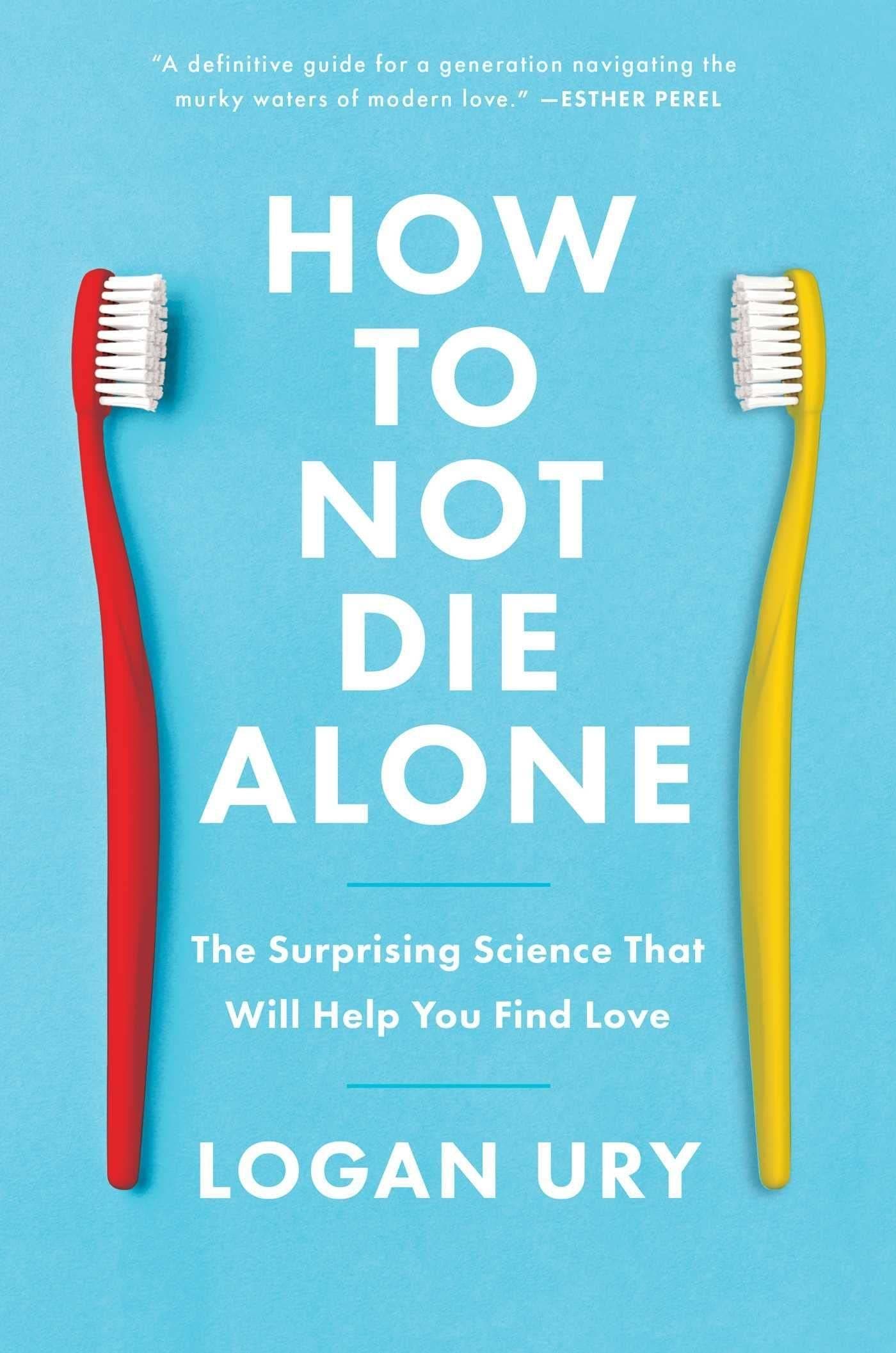
How to Not Die Alone
Logan Ury
Free download · 500+ book summaries
What is How to Not Die Alone about?
How can you find and maintain a happy relationship? The author presents a scientifically supported approach to finding true love.
Key ideas of How to Not Die Alone
Three Self-Sabotaging Dating Patterns
Romanticizers, Maximizers, and Hesitaters each hold unrealistic expectations that block commitment before a real relationship can form.
Intentional Love Over Instant Chemistry
Great relationships are built through deliberate choices, not discovered through sparks, soul mates, or effortless attraction.
Decide, Don't Slide
Couples who consciously choose each relationship milestone, from exclusivity to cohabitation, are measurably happier and less divorce-prone.
Read an excerpt from the summary
Logan Ury used to manage Google's ad accounts for porn companies. That is the literal first job mentioned in this book about love. Ury is not a romantic. She is a behavioral scientist who watched her parents divorce when she was seventeen, studied psychology at Harvard, ran an irrationality lab with Dan Ariely, and spent years cataloging why people make terrible decisions in predictable ways. Eventually she realized the same broken patterns were running her own dating life. So she built a system, and a few years later she became Director of Relationship Science at Hinge.
How to Not Die Alone is the manual for that system. The thesis is one line: great relationships are built, not discovered. Love is not something that happens to you, it is something you do, through specific choices you can name and improve. Ury calls this intentional love. The book runs in three sections, getting ready, getting out there, and getting serious. By the end you have a framework for every major dating decision, from "am I in any shape to date" to "should we sign this lease" to "how do I leave well."
Why Dating Got Harder
Dating as a concept barely exists. The word starts showing up in the 1890s. Online dating begins with Kiss.com in 1994, Match.com follows in 1995, and swiping is younger than a decade. The whole apparatus we treat as normal is a blink old, and Ury argues that seven structural shifts have made it harder than at any moment in human history.
Our ancestors did not pick partners. Their lives were assigned by religion, class, community, and parents. Now we shape our own identities from scratch, and every choice, including who we marry, carries the weight of a referendum on the self. The freedom is real and the failure feels personal. Add what Barry Schwartz called the paradox of choice: more options produce less happiness and more doubt. We yearn for certainty, but no Google search tells you whether James or Jillian will be a good spouse. Social media manufactures compare-and-despair, especially for men, whose smaller networks make it harder to admit fear. Half of American marriages end in divorce, and Esther Perel calls us the children of the divorced and disillusioned. There are more ways to be in a relationship than ever, monogamy is now a question rather than a default, and Sheryl Sandberg has pointed out that whom you partner with is the single biggest career decision a woman makes. The stakes have never been higher and the playbook has never been thinner.
Like it?
Continue in the appWho is it for?
- Anyone who keeps ending relationships because the spark fades or someone better might be out there.
- Anyone who has been postponing dating until life feels more settled or they feel more ready.
- Anyone who wonders whether the apps are working against them and wants a smarter approach.
- Anyone in a long-term relationship who wants practical tools to keep it from running on autopilot.
About the author: Logan Ury
Logan Ury is a behavioral scientist who studied psychology at Harvard and spent years researching how people make irrational decisions, including in their romantic lives. She later became Director of Relationship Science at Hinge, where she applied the same evidence-based methods to dating and relationships at scale.
Her approach draws on the work of researchers including Daniel Kahneman, John Gottman, Esther Perel, and Helen Fisher, combining behavioral economics with practical relationship advice grounded in data rather than folklore.
Read it in 48 minutes
The summary of How to Not Die Alone and 500+ more books await in the BookBase app.