 English
 Magyar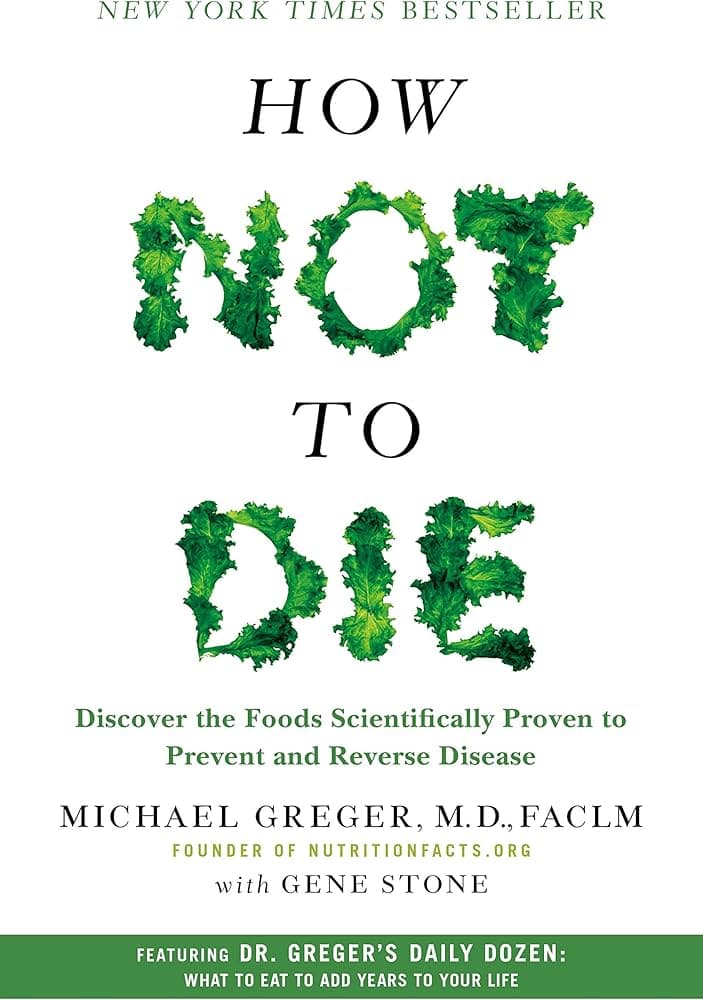
How Not to Die
Michael Greger, Gene Stone
Free download · 500+ book summaries
What is How Not to Die about?
How Not to Die presents the fifteen main causes that lead to early death. You can learn how to make dietary and lifestyle changes in your own life.
Key ideas of How Not to Die
Plants Prevent Disease
Fruits, vegetables, beans, and whole grains protect against heart disease, cancer, stroke, and Alzheimer's by reducing inflammation and cholesterol.
Food Beats Medication
Specific foods like berries, turmeric, and nuts outperform or rival drugs for lowering cholesterol, reducing blood pressure, and fighting cancer cells.
Exercise Completes the Picture
Even an optimal diet needs 90 minutes of moderate or 40 minutes of intense daily exercise to fully protect against premature death.
Read an excerpt from the summary
The book in 3 sentences: Poor nutrition is a huge problem that is often overlooked by medicine, and it is the first step toward early death. Consuming plenty of fruits and vegetables protects against diseases and extends your life. Along with a plant-based diet, exercise daily to enjoy a long, balanced, and healthy life. Favorite quotes: “"The best way to minimize exposure to industrial toxins is to replace foods at the lowest possible levels in the food chain with plant-based foods."” “"If we could provide everyone with the right amount of food and exercise, not too little and not too much, we would have found the safest path to health."” “”
Key points: Vegetables are essential for healthy eating. Beans and whole grains have a beneficial effect on the body. Nuts and seeds are super nutritious. Herbs and spices make healthy foods even more beneficial. When it comes to drinks, water is king. Exercise paired with healthy eating is the key to a long life. Diseases and digestive system cancers. Summary + notes: Vegetables are vital for healthy eating.
Everyone has heard the saying, "An apple a day keeps the doctor away." But is it true? Well, if you toss in a handful of berries as well, then yes!
A healthy diet should include four servings of fruit each day, one of which should be berries. Remember, this refers to whole fruits, not fruit juice. According to research from Harvard, consuming fruit juice correlates with a higher risk of type 2 diabetes due to its high sugar and low fiber content, while whole fruits have a lower risk for the same disease.
Furthermore, fruit consumption improves lung function. Just one extra serving of fruit per day can result in a 24% decrease in the risk of chronic obstructive pulmonary disease (COPD). This is thanks to the high antioxidant content in fruits, which limits cell damage and reduces inflammation.
Like it?
Continue in the appWho is it for?
- Anyone who wants to understand which everyday foods are proven to prevent the leading causes of premature death.
- Anyone who relies on medication for cholesterol, blood pressure, or blood sugar and wants to explore dietary alternatives.
- Anyone who has a family history of cancer, heart disease, or dementia and is looking for evidence-based prevention strategies.
- Anyone who is trying to build a sustainable, whole-food eating habit and wants the science behind each recommendation.
About the author: Michael Greger, Gene Stone
Michael Greger is a physician, public health advocate, and founder of NutritionFacts.org, a non-profit site that reviews thousands of peer-reviewed nutrition studies each year. He has testified before Congress and speaks widely on the science of diet and disease prevention.
Gene Stone is a writer and editor who has collaborated on numerous books about health and plant-based living.
Read it in 29 minutes
The summary of How Not to Die and 500+ more books await in the BookBase app.