 English
 Magyar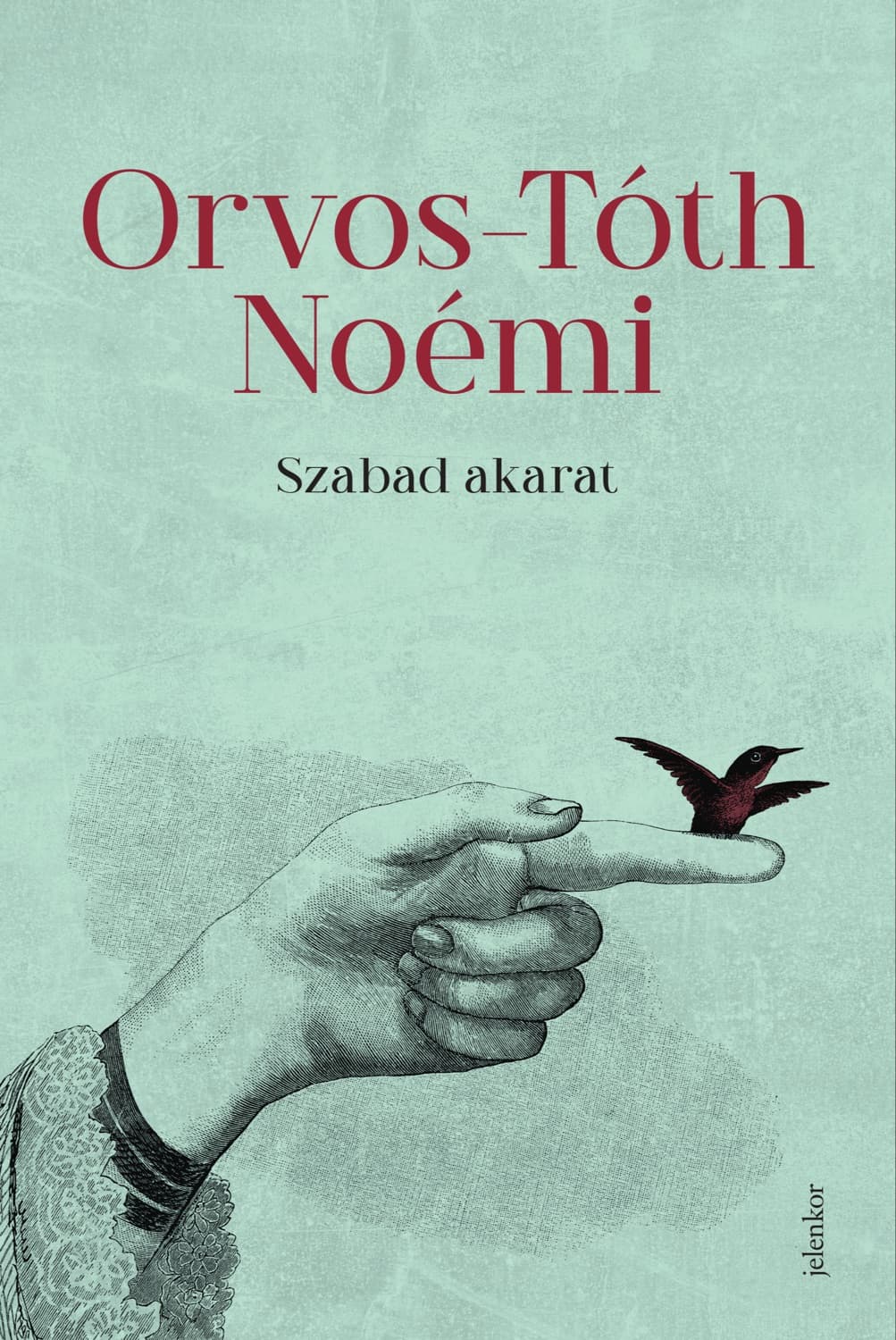
Free Will
Orvos-Tóth Noémi
Free download · 500+ book summaries
What is Free Will about?
The follow-up to Örökölt sors. Hungarian psychologist Orvos-Tóth Noémi turns from inherited fate to the question of personal agency: how much of your life can you actually choose? She blends transgenerational therapy with practical exercises for building real freedom against the patterns family and culture installed in you.
Key ideas of Free Will
Freedom as psychological state
Freedom is not a philosophical abstraction but the practical absence of automatic control by fear, shame, and inherited emotional scripts.
Awareness creates responsibility
Once you recognize a generational pattern, you become responsible for what you pass on, because continuing the script is now a conscious choice.
Breaking family patterns
Transgenerational patterns are dissolved through named inheritance, located original wounds, grief, and repeated conscious choices that feel unsafe at first.
Read an excerpt from the summary
Free Will (Szabad akarat) by Noémi Orvos-Tóth
The man who could not enjoy his first salary
A young man named Gábor opens an envelope and stares at the number inside. It is his first paycheck from a multinational tech firm. The amount is more than his parents earned together in half a year of farming and shift work back in the village. He should be elated. Instead, his stomach tightens. A line he has heard a thousand times begins playing in his head, in his father's voice. Honest work never made anyone rich. He cannot tell his parents how much he is paid. He cannot enjoy spending it. He starts visiting home less. Within fifteen years he is the country head of the company, financially free, and emotionally cut off from his own father. Then his mother dies, and the silence between him and the old man becomes unbearable.
Orvos-Tóth opens her second book with stories like this. People who appear to have everything but cannot feel it. People who succeed at the wrong life. People who break into adulthood carrying a script written by grandparents they barely knew. Her first book, *Inherited Trauma*, mapped the territory. Hungarian readers turned it into a phenomenon. Letters poured in. Families talked for the first time. Siblings reopened conversations they had abandoned. Adult children sat down with elderly parents and asked questions they had been afraid to ask for thirty years. But readers also asked the harder question. Now what? If I see the pattern, can I actually leave it? Is there room to choose, or is the script already written?
*Free Will* is her answer. She does not pretend the door is wide open. She does not pretend it is locked either. She walks through it case by case, with patients she has worked with for years, and she shows what the work looks like. She is also honest that a book is never a substitute for a therapist. The case studies are guides, not self-treatment manuals. Some patterns are too deep to dissolve through reading alone. Others, surprisingly, are looser than people fear, and a single conscious choice in the right direction can unlock years of stuck behaviour. The book is calibrated to that range.
Like it?
Continue in the appWho is it for?
- Anyone who senses they are living a life shaped more by family inheritance than by genuine choice.
- Anyone who has done some personal or therapeutic work and now wants a practical framework for continuing it.
- Anyone whose relationships, money habits, or parenting instincts seem to replay old family scripts despite good intentions.
- Anyone who wants to understand how differentiation, identity, and nervous-system regulation connect to lasting personal change.
About the author: Orvos-Tóth Noémi
Noémi Orvos-Tóth is one of Hungary's most prominent clinical psychologists, specializing in transgenerational and family systems therapy. Her practice draws on the work of Murray Bowen, Bert Hellinger, and Erik Erikson, and she is widely credited with bringing the language of inherited trauma into mainstream Hungarian public conversation.
Her debut book, Örökölt sors (Inherited Trauma), published in 2018, became a long-running bestseller and prompted a generation of Hungarian families to reopen silenced conversations about war, loss, and family secrets. Free Will followed in 2021 as the direct continuation of that project, shifting from diagnosis to the practical work of change.
Read it in 44 minutes
The summary of Free Will and 500+ more books await in the BookBase app.