Ch. 1free to read
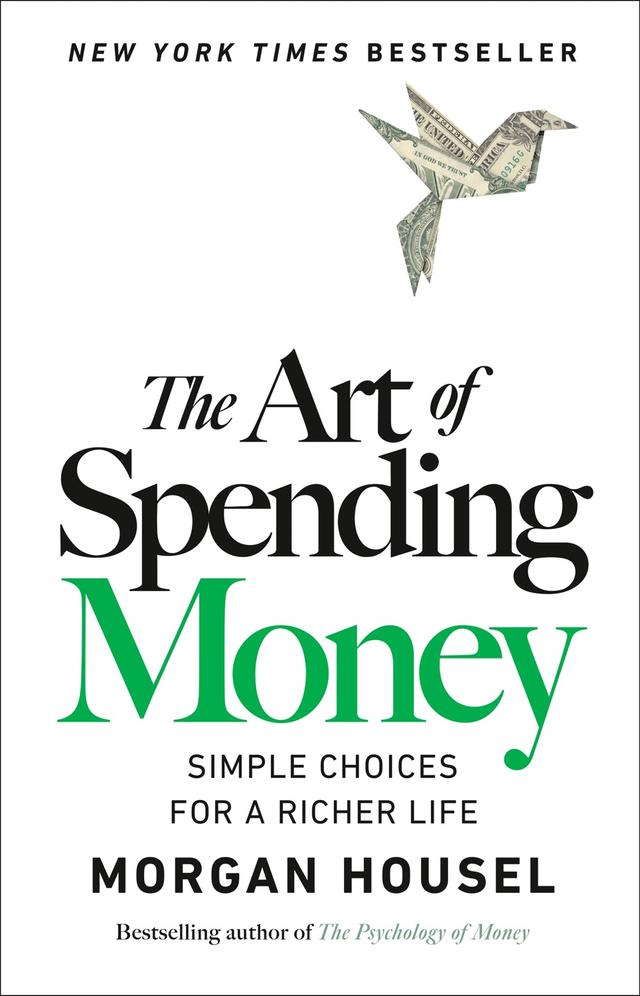
The Art of Spending Money
What It’s About
Earning money and spending it wisely are two entirely different skills. Morgan Housel, author of The Psychology of Money, returns to the harder question: once you've made it, how do you use it without ruining yourself emotionally, mentally, or relationally? The answer is not a budget spreadsheet. It's a different relationship with money.
Three Key Ideas
Invisible wealth beats visible status
Real wealth is the money you did not spend, buying freedom and options that no car or watch can provide.
Return on spending matters
Spending that delivers repeated daily value compounds far more than status purchases that deliver one-time pleasure.
Money amplifies, it does not transform
Money strengthens what is already in you, so using it to fix identity or purpose problems always disappoints.
Read a Sample
The Art of Spending Money: Summary
A man is sitting at a poker table in Las Vegas, and he's been winning all night. His stack of chips is the tallest at the table. Then he does something strange: he starts betting bigger. The cards haven't gotten any better. Winning just feels like a skill now, not luck. He goes all-in on a mediocre hand and loses everything. He walks away from the table with empty pockets and a sick feeling in his stomach.
Morgan Housel would say that man's problem had nothing to do with poker and everything to do with spending. Not spending money at a casino, specifically. It's the deeper, harder question underneath: once you have something, how do you decide what to do with it? How do you use what you have without destroying yourself in the process?
That's what The Art of Spending Money is about. It isn't about budgets or spreadsheets, and it skips the usual advice about cutting lattes and maxing out your 401(k). The book deals with the emotional, psychological, deeply human side of what happens after you earn money. Here's a truth most financial books ignore: making money and spending it well are completely different skills. You can be brilliant at the first and catastrophically bad at the second. Most people are.
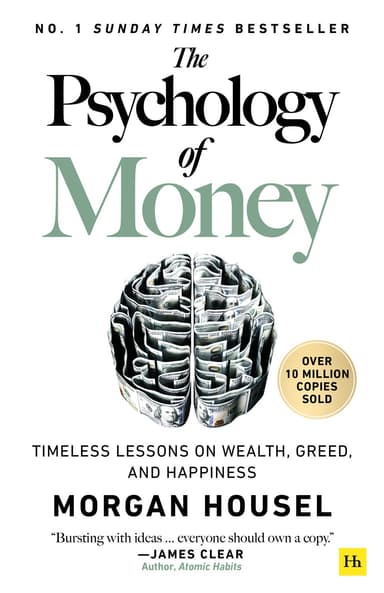
Housel wrote The Psychology of Money about how people think about earning, saving and investing. This book is the sequel nobody knew they needed. It asks what happens when the money is actually in your hands and you have to decide what it means. The subtitle says it all: Simple Choices for a Richer Life. Not a wealthier life, a richer one. That distinction matters more than you'd think.
Who It’s For
- Anyone who earns well but still feels financially anxious or unfulfilled.
- Anyone who wants to understand why comparison and lifestyle inflation keep satisfaction out of reach.
- Anyone who has saved diligently and now wonders how to actually spend without guilt.
- Anyone who wants a clear framework for deciding what their money should do for their specific life.
About the Author: Morgan Housel
Morgan Housel is a partner at Collaborative Fund and one of the most widely read financial writers working today. He is the author of The Psychology of Money, which sold millions of copies and established him as a leading voice on the human side of finance.
Housel's writing focuses on the behavioral and psychological forces that shape financial decisions, drawing on history, psychology, and storytelling rather than formulas or spreadsheets.