Ch. 1free to read
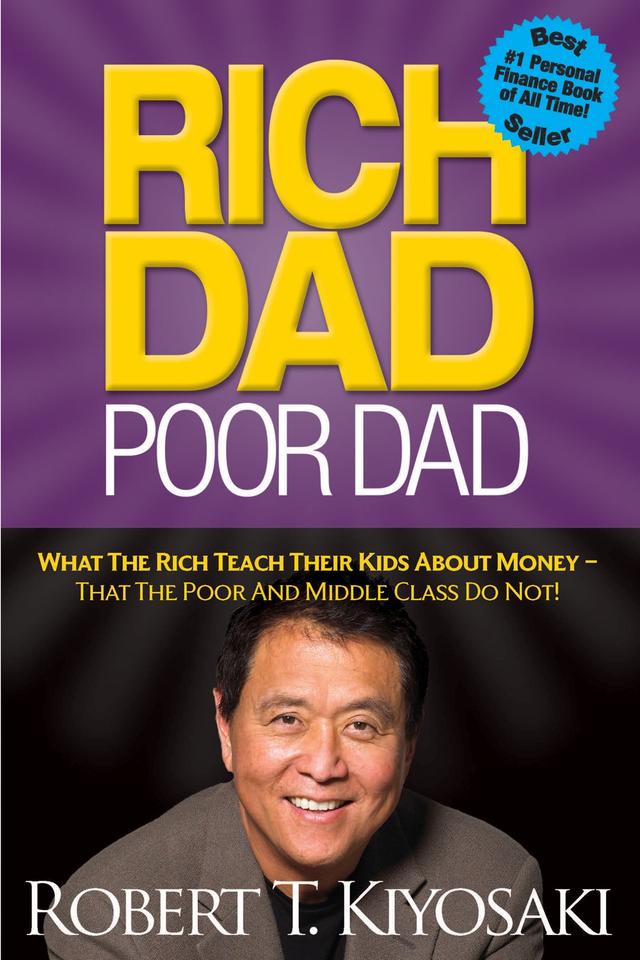
Rich Dad Poor Dad
What It’s About
What the rich teach their kids about money that the poor and middle class don't. Robert Kiyosaki's 1997 personal-finance memoir flipped how a generation thinks about assets, liabilities, and financial education. Polarizing, simplified, and one of the most influential money books ever written for everyday readers.
Three Key Ideas
Assets vs. Liabilities
An asset puts money in your pocket, a liability takes it out, and most people misclassify their biggest purchases as assets throughout their lives.
Escaping the Rat Race
Most people stay trapped in a cycle of earning, spending, and lifestyle inflation because they were never taught how money actually builds freedom.
Work to Learn, Not Earn
Choosing jobs for the transferable skills they build, especially sales and management, compounds into far greater long-term wealth than chasing the next raise.
Read a Sample
Rich Dad Poor Dad
It was 1956 in Hilo, Hawaii, and nine-year-old Robert Kiyosaki had a problem. He wanted to be rich. His best friend Mike wanted the same thing. Neither of them knew how they'd pull it off, so they went to ask the only rich person they knew: Mike's father.
Mike's dad ran a chain of businesses across the island. He hadn't finished eighth grade, and he spoke with a heavy accent. He drove a battered truck and lived simply. Yet he owned warehouses, a construction company, and more real estate than anyone Robert knew. He agreed to teach the boys, though not in the way they expected. He didn't sit them down and explain compound interest, and he didn't hand them books or draw diagrams. Instead he put them to work at one of his convenience stores for ten cents an hour, sorting cans and sweeping floors. Then he stopped paying them altogether.
Robert was furious. At home he had a father with a PhD who was climbing the ranks of Hawaii's Department of Education. His Poor Dad told him to study hard, get good grades and find a secure job with a pension. Poor Dad believed in the paycheck. Robert had watched him work for thirty years and still struggle with money. Now the other father was making him work for nothing.
When Robert finally marched in and demanded an explanation, Rich Dad smiled. That anger, he said, was Robert's biggest asset. Most people let the fear of not having money run their entire lives. Most people work all month and then hand the paycheck straight back out: to rent, to bills, to taxes, to the next thing they want. They spend their lives reacting to money instead of learning how to use it. The ten-cent job wasn't the lesson. The lesson was the feeling of sitting there, broke and frustrated, and choosing what to think next.
Who It’s For
- Anyone who wants to understand why their salary never seems to translate into financial freedom.
- Anyone who has never been taught the difference between an asset and a liability in plain terms.
- Anyone considering real estate, investing, or starting a business and needs a mental framework first.
- Anyone who feels financially stuck despite working hard and earning a reasonable income.
About the Author: Robert T. Kiyosaki
Robert T. Kiyosaki is an American entrepreneur, investor, and author best known for founding the Rich Dad Company. He built several businesses before turning to writing, drawing on his experiences with real estate, investing, and financial education.
Kiyosaki self-published Rich Dad Poor Dad in 1997 after every traditional publisher rejected it. The book eventually sold over 40 million copies worldwide and spent six years on the New York Times bestseller list. He has since written more than 40 books on personal finance and investing.