Ch. 1free to read
The 5 Essential People Skills
What It’s About
The five social skills that quietly determine career outcomes: assertiveness, curiosity, optimism, resilience, and empathy. Built on the legacy of Dale Carnegie's original training programs, with a modern overhaul for the workplace. Practical drills, real scenarios, and a clear path from awareness to habit.
Three Key Ideas
Assertiveness as Middle Ground
Assertiveness sits between aggression and passivity, expressed through a three-part message: state the facts, share your feelings, then name what you want and why it benefits the other person.
Extrinsic Rewards Undermine Motivation
Tying rewards to performance on tasks people already enjoy reduces intrinsic motivation, narrows focus, and slowly drains the drive that produces genuinely good work.
Conflict Resolution as Craft
Resolving conflict well means separating what you want from what you need, staying in the present, and always leaving the other party with a way to preserve their dignity.
Read a Sample
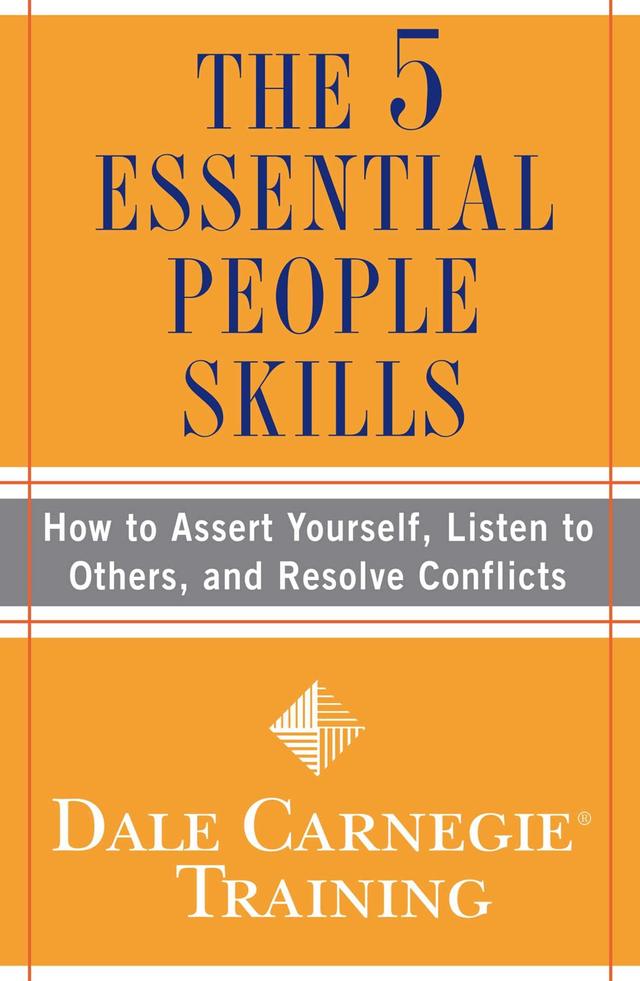
The 5 Essential People Skills
How to Assert Yourself, Listen to Others, and Resolve Conflicts
Dale Carnegie Training (2009)
---
What this book is about
Who It’s For
- Anyone who struggles to speak up clearly at work without coming across as aggressive or passive.
- Anyone who manages a team and wants to give feedback that actually changes behavior.
- Anyone who needs to move projects forward through people who do not report to them.
- Anyone who finds that workplace conflicts linger long after the original disagreement is resolved.
About the Author: Dale Carnegie
Dale Carnegie published How to Win Friends and Influence People in 1936, a book that sold over thirty million copies and essentially created the personal development genre in English. He died in 1955, but the Dale Carnegie Training Institute he founded continued his work.
This 2009 book is the institute's update of Carnegie's core ideas for the modern workplace. The organization has worked with hundreds of Fortune 500 companies and counts more than seven million course graduates worldwide. The institutional voice reflects ninety years of observing what actually works when ordinary professionals try to communicate, persuade, and resolve conflict in real rooms.