Ch. 1free to read
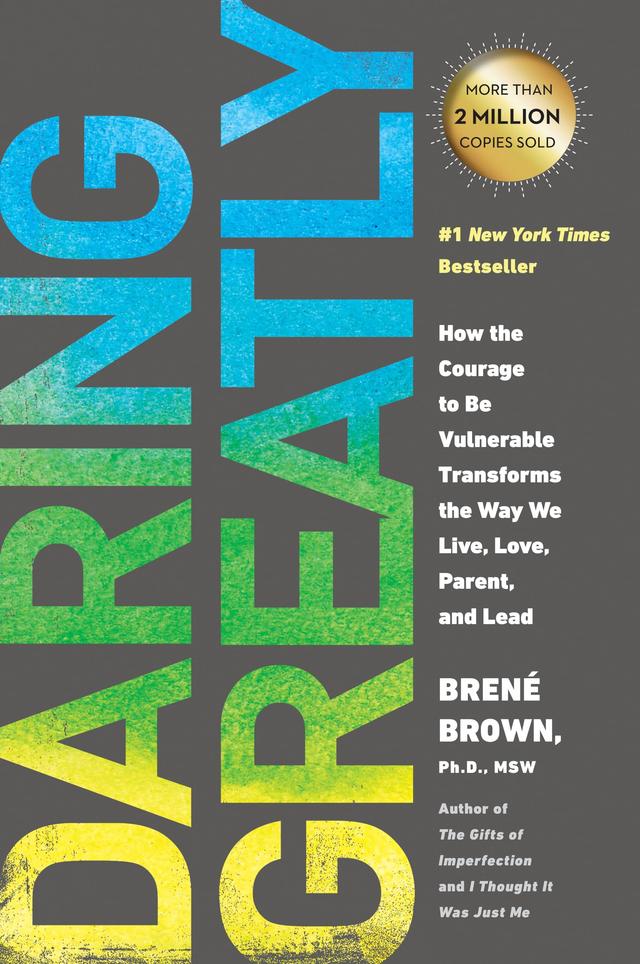
Daring Greatly
What It’s About
In her book Daring Greatly, Dr. Brown challenges everything we think we know about vulnerability. Based on twelve years of research, she argues that vulnerability is not a weakness but the clearest path to courage, commitment, and meaningful relationships.
Three Key Ideas
Vulnerability as Courage
Willingness to be uncertain and emotionally exposed is the single trait shared by people who live fulfilling, connected lives.
Shame Corrodes Connection
Shame thrives on secrecy and judgment, and the only reliable antidote is empathy from someone who has earned the right to hear your story.
Wholehearted Living Requires Practice
Joy, belonging, and creativity depend not on avoiding vulnerability but on building daily habits of gratitude, self-compassion, and honest engagement.
Read a Sample
The morning after Brené Brown gave her now-famous TED talk on vulnerability, she woke up wanting to crawl under the bed. She begged her husband Steve to hack into the TED website and take the whole thing down. She had just told a room full of strangers (and, it would turn out, a few million people on the internet) that the only way to feel love, joy, belonging, and creativity is to risk being wounded. She had told them she was a researcher who hated being vulnerable. The whole exercise felt like she had shown up to work and accidentally taken her clothes off.
She calls this a vulnerability hangover. Most of us know the feeling even if we have never named it. It is that three a.m. cringe after you said too much at dinner, or told someone you loved them first, or sent the manuscript, or asked for the raise.
The argument of Daring Greatly is that the cringe is the price of admission for the life you actually want. Brown spent twelve years studying shame, courage, worthiness, and connection. She interviewed close to thirteen hundred people, coded thousands of pieces of data, and arrived at a finding she did not expect and did not really want. The people who live the kinds of lives the rest of us envy (the parents whose kids actually talk to them, the leaders people would follow off a cliff, the artists who actually ship) share exactly one thing. They are willing to be vulnerable. Not occasionally. As a practice.
Theodore Roosevelt named the arena in 1910, in a speech at the Sorbonne about citizenship. "The credit belongs to the man who is actually in the arena, whose face is marred by dust and sweat and blood." Brown borrows the metaphor and refuses to soften it. To dare greatly is to walk into a space (a new relationship, a hard conversation, a creative project, a Tuesday morning meeting) knowing you might be ridiculed by people who never got out of their seat. You go anyway. That is the book in one sentence.
Who It’s For
- Anyone who has ever held back from a hard conversation, a creative project, or an honest relationship out of fear of being judged.
- Anyone who struggles with perfectionism or people-pleasing and wants to understand the shame driving those patterns.
- Anyone in a leadership, teaching, or parenting role who wants to build a culture where people feel safe enough to try and fail.
- Anyone who feels like they are watching their own life from the outside and wants to understand what is keeping them there.
About the Author: Brené Brown
Brené Brown is a research professor at the University of Houston who has spent more than two decades studying shame, courage, and vulnerability. Her 2010 TED Talk on the power of vulnerability became one of the most-watched talks in TED's history.
She is the author of several bestselling books and is known for translating rigorous social science research into practical, accessible writing for general audiences.