 English
 Magyar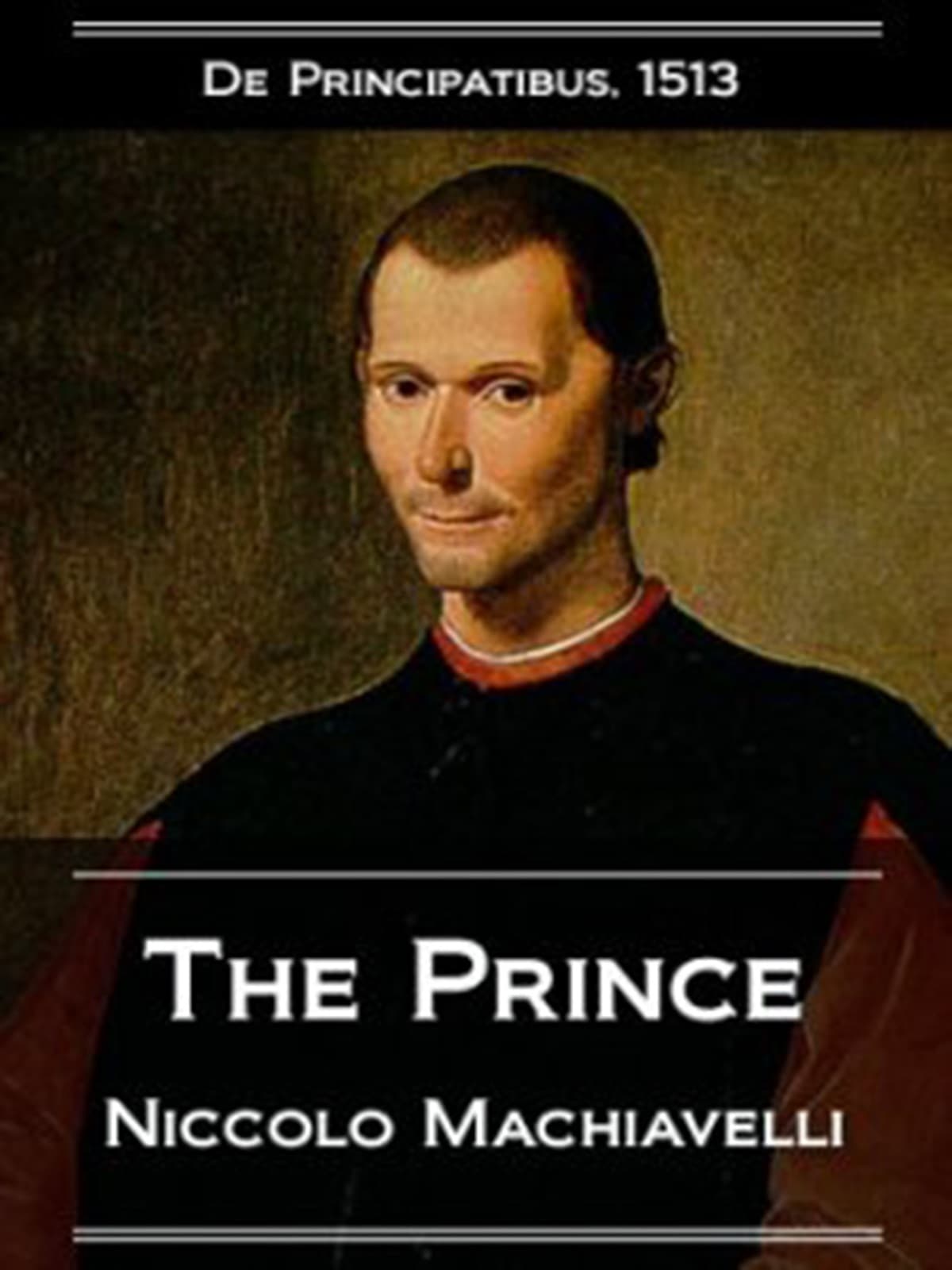
The Prince
Niccolò Machiavelli
Free download · 500+ book summaries
What is The Prince about?
This book reveals how power actually works, not how it should. You discover that people mostly pursue their own interests, and chance controls only half of what happens to you. By the end, you realize what Machiavelli learned: true strength isn't built on fear or wealth, but on ensuring people don't hate you.
Key ideas of The Prince
Reality over idealism
Leaders who act on how the world should be, rather than how it is, will be undone by those who do not.
Fear without hatred
Being feared is more reliable than being loved, but only if a leader avoids taking people's property or harming their families.
Preparation in calm times
Luck governs roughly half of what happens, and the prudent leader builds reserves and capabilities before the crisis arrives.
Read an excerpt from the summary
The Prince: Summary
A man who came home in muddy clothes every evening
In the winter of 1513, a forty-four-year-old man did the same thing every single evening. He spent the whole day working his own small estate, chopping wood, arguing with the woodcutters, and in the afternoon he walked down to the village tavern and played cards with a miller, a butcher, and two bakers. He bickered, he shouted, he won or lost a few coins. An outsider would have said: here is a man who slid down in the world, a man who amounted to nothing.
But when evening came, something changed. He went home, took off his muddy, dirty peasant clothes, and put on his finest attire. The kind of clothes you would wear to a royal court. Dressed like that, he stepped into his study, and there he spent four hours in conversation with the dead. With the great men of antiquity, the old kings and generals. He asked them questions, and they, as he wrote, kindly answered. "For four hours I feel no boredom, I forget all my troubles, I do not fear poverty, and death does not frighten me." This man's name was Niccolò Machiavelli, and out of that four-hour evening ritual was born what may be the most notorious book in the world.
A few months earlier he had been one of the most influential men in Florence. For fourteen years he ran the republic's foreign affairs, negotiating in person with French kings, popes, and generals. Then his luck turned. The Medici returned to power, he was fired, thrown in prison, and tortured on a charge of conspiracy he had nothing to do with. By the time they let him out, everything he owned was gone except his knowledge. And it was that knowledge he now set down in a slim book, hoping the new masters would employ him again. The book never won his job back. But we are still reading it five hundred years later.
Like it?
Continue in the appWho is it for?
- Anyone who leads a team and wants to understand why good intentions are not enough to hold authority.
- Anyone who is navigating organizational change, a takeover, or a new leadership role in an unfamiliar environment.
- Anyone who wants a historically grounded, unsentimental account of how power is gained and lost.
- Anyone who finds most leadership books too optimistic and is looking for a clear-eyed view of human nature.
About the author: Niccolò Machiavelli
Niccolo Machiavelli (1469-1527) was a Florentine diplomat and writer who served the Florentine Republic for fourteen years, conducting negotiations with French kings, popes, and military commanders. After the Medici returned to power in 1512 he was dismissed, imprisoned, and tortured on a conspiracy charge he denied. The Prince was written in 1513, partly as a bid to regain employment with the new rulers.
He is widely regarded as one of the founders of modern political science. His other major work, the Discourses on Livy, develops many of the same themes in a more republican direction. The Prince was published posthumously in 1532 and has been read continuously ever since.
Read it in 51 minutes
The summary of The Prince and 500+ more books await in the BookBase app.