 English
 Magyar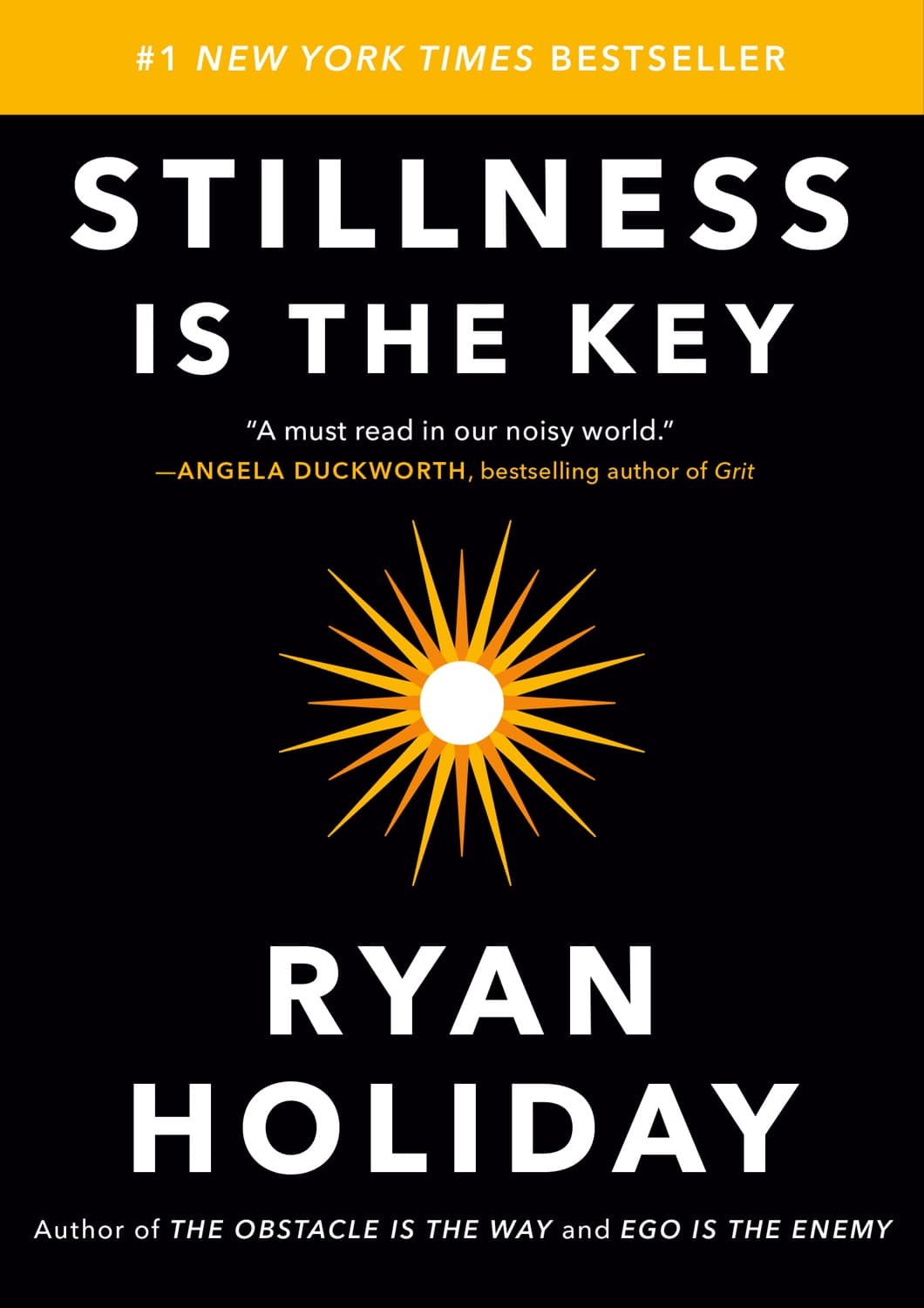
Stillness Is the Key
Ryan Holiday
Free download · 500+ book summaries
What is Stillness Is the Key about?
Closing his Stoic-themed trilogy, Ryan Holiday makes the case that stillness, the ability to be calm and present amid chaos, is the master skill behind every great achievement. Drawing on Marcus Aurelius, Buddha, Lincoln, Tiger Woods, and Mr. Rogers, he shows how stillness shows up in mind, body, and soul. Practical and contemplative, with concrete habits the busiest reader can practice today.
Key ideas of Stillness Is the Key
Stillness Under Pressure
Choosing to slow down and think clearly in chaotic moments, as Kennedy did during the Cuban Missile Crisis, consistently produces better outcomes than acting from urgency or panic.
Mind, Spirit, and Body as One System
Lasting stillness requires managing inputs in the mind, closing the gap between your public and private self, and giving the body genuine rest and movement.
Rest Is a Strategic Practice
Churchill, Thoreau, and Darwin all built deliberate rest, walking, and aimless leisure into their routines because restoration is what makes sustained high performance possible.
Read an excerpt from the summary
Stillness Is the Key
The room was called the Cabinet Room, but for thirteen days in October 1962, it became something closer to a pressure cooker. John F. Kennedy sat at the head of the table surrounded by the men who ran the most powerful nation on earth -- the Joint Chiefs, the Secretary of Defense, the National Security Advisor, the Attorney General. Photographs taken by U-2 spy planes had confirmed what intelligence analysts had feared: Soviet nuclear missiles were being installed ninety miles off the coast of Florida. They could reach Washington, D.C. in thirteen minutes.
The Joint Chiefs were nearly unanimous. Strike the sites. Invade Cuba. End the threat before the missiles became operational. General Curtis LeMay, who had firebombed Tokyo in World War II and never found a military problem he did not want to solve from the air, told Kennedy that doing nothing would be worse than Munich. The pressure was immense. The logic of force was clean and simple. Every hour of delay was another hour for the Soviets to finish the installations. The generals had plans, personnel, hardware. They were ready.
Kennedy did not give the order.
Instead, he slowed down. He removed himself from the daily ExComm meetings -- the secret Executive Committee convened to manage the crisis -- so the generals and advisors could speak freely without his presence distorting the conversation. He read cables. He walked the White House grounds at night. He wrote private notes to himself. He called former presidents. He went to mass. He thought. While the machinery of war idled, waiting for his command, he kept asking the question that nobody else in that room was asking: what happens after we strike? What does Khrushchev do next? What does the world look like on day fourteen?
Like it?
Continue in the appWho is it for?
- Anyone who feels constantly busy but senses that speed is costing them the quality of their decisions and relationships.
- Anyone who wants a Stoic-grounded framework for cutting distractions, sleeping better, and doing fewer things with greater depth.
- Anyone who admires figures like Kennedy, Marcus Aurelius, or Churchill and wants to understand the inner practices behind their clearest moments.
- Anyone who has read The Obstacle Is the Way or Ego Is the Enemy and wants to complete Ryan Holiday's Stoic trilogy.
About the author: Ryan Holiday
Ryan Holiday is an American author, media strategist, and bestselling writer best known for bringing Stoic philosophy to a modern general audience. He worked as director of marketing for American Apparel before leaving to write full-time, and has written extensively on Stoicism, strategy, and the inner lives of historical figures.
Stillness Is the Key is the third book in his Stoic trilogy, following The Obstacle Is the Way and Ego Is the Enemy. He also runs the Painted Porch bookshop in Bastrop, Texas, and writes a popular newsletter on books and philosophy.
Read it in 44 minutes
The summary of Stillness Is the Key and 500+ more books await in the BookBase app.