 English
 Magyar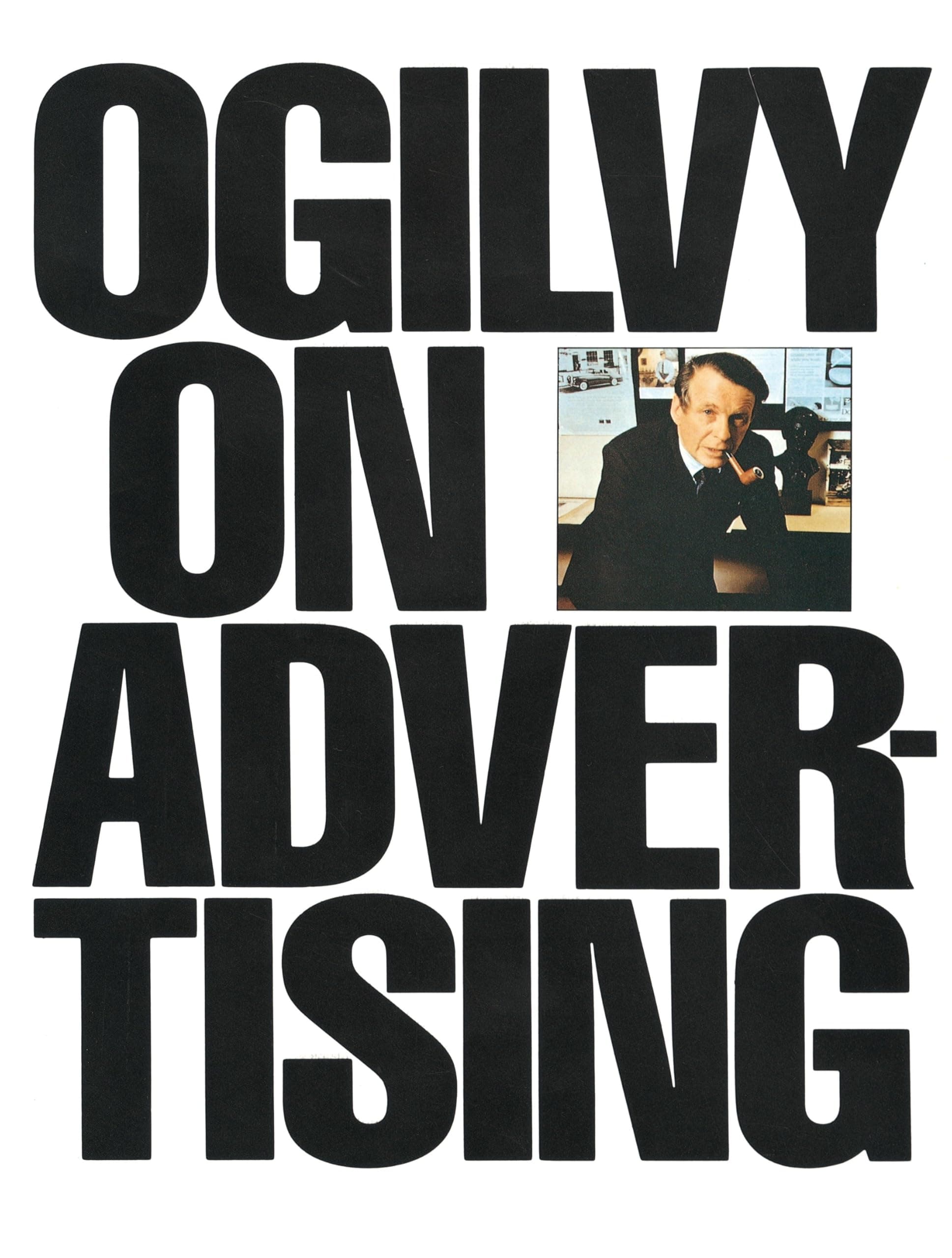
Ogilvy on advertising
David Ogilvy
Free download · 500+ book summaries
What is Ogilvy on advertising about?
David Ogilvy's Ogilvy on Advertising offers a glimpse into the world of advertising from the father of advertising himself. With practical advice on copywriting, design, and media – along with the presentation of iconic advertising campaigns – it serves as both a guide and a manifesto for aspiring advertising professionals.
Key ideas of Ogilvy on advertising
Research Before Writing
Deep product research before writing a single word is what separates good advertising from campaigns that quietly hurt sales.
Big Ideas Drive Campaigns
Every lasting ad is built on one bold, original concept that connects a product to a deep insight people immediately recognize.
Honesty Outperforms Cleverness
Presenting plain facts about a product, as Rolls-Royce and Mercedes did, builds more trust and drives more sales than clever wordplay.
Read an excerpt from the summary
The book in 3 sentences: Only sell things you believe in. The goal of advertising is sales, not entertainment. Use facts, current events, and statistics to create good advertisements. Favorite quotes: “Never stop testing, and your ads will never stop improving.” “Seek out people who strive for remarkable things, who are not satisfied with the average.” “The consumer is not an idiot; she is your wife.”
Key points:
Summary + notes: The Anatomy of Attention-Grabbing Ads
Have you ever wondered why some ads capture your attention, while others are forgotten in an instant?
In the fast-paced advertising market, where agencies are fiercely competing for attention, there can be a significant difference between a successful ad and an ineffective one. As John Caples, a renowned direct response copywriter, reminds us, two almost identical ads—same space, same publication, similar design—can create dramatically different results. The key difference lies in the appeal they use to attract viewers.
Imagine investing millions of dollars in an ad campaign only to realize it’s decreasing sales. This is not hypothetical; many have experienced it firsthand. A certain beer brand’s lavish campaign led to a decrease in consumption among those who remembered the ad. There’s also the case of George Hay Brown's Ford experiment with *Reader's Digest*, which revealed that individuals who had not been exposed to Ford ads ended up buying more cars.
We can see why ads need to be excellent, and this begins with serious product research. When Ogilvy first serviced a Rolls Royce, he spent three weeks thoroughly researching the brand. The result of this work was a classic headline that focused on its 60 mph quietness. Meanwhile, a three-week visit to Mercedes’ Stuttgart headquarters enabled him to publish information that significantly increased the company’s American sales.
Like it?
Continue in the appWho is it for?
- Anyone who works in advertising, marketing, or copywriting and wants principles grounded in real campaign results.
- Anyone who runs a small business and needs to write ads that actually convince people to buy.
- Anyone who manages a brand and wants to understand how positioning and consistent identity shape long-term success.
- Anyone who is curious about what separates forgettable ads from campaigns that run for decades.
About the author: David Ogilvy
David Ogilvy founded Ogilvy and Mather in 1948 and built it into one of the most influential advertising agencies in the world. He is widely credited with shaping modern advertising practice, particularly his insistence on research, clear communication, and respect for the consumer.
Ogilvy worked on campaigns for brands including Rolls-Royce, Dove, and Merrill Lynch. His approach combined rigorous research with creative discipline, and his writing on advertising has remained a standard reference for practitioners for decades.
Read it in 15 minutes
The summary of Ogilvy on advertising and 500+ more books await in the BookBase app.