 English
 Magyar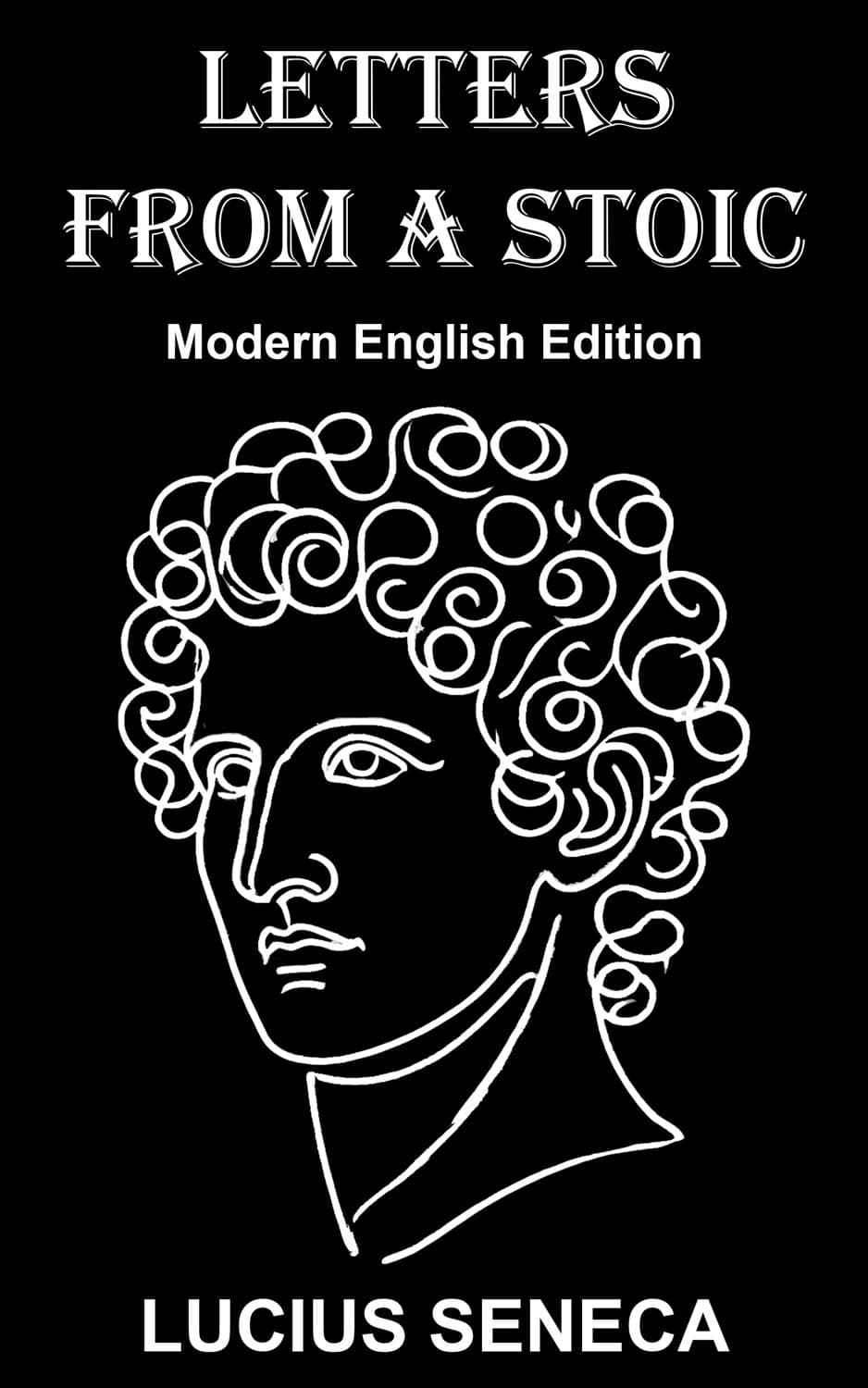
Letters from a Stoic
Lucius Annaeus Seneca
Free download · 500+ book summaries
What is Letters from a Stoic about?
124 letters from one of Rome's wealthiest, sharpest minds to his friend Lucilius. Seneca's correspondence covers wealth, death, friendship, anger, and the daily discipline of philosophy. Practical Stoicism written by a man at the center of imperial power. The most accessible entry point into ancient ethics ever written.
Key ideas of Letters from a Stoic
Time Is the Only True Possession
Seneca argues that money, property, and reputation can all be taken, but your hours are yours until the moment they pass, making time the one thing worth guarding.
Fear Lives in Imagination, Not Reality
Most suffering comes from anticipating disaster rather than facing it, and looking directly at a feared thing almost always reveals it is smaller than the dread.
Virtue as the Unlosable Good
External losses, wealth, reputation, even loved ones, cannot touch the character a person has built, which remains intact through any catastrophe Fortune can deliver.
Read an excerpt from the summary
Letters from a Stoic
*Seneca*
There is a man sitting at a desk in the first century AD, writing a letter to his friend. His name is Lucius Annaeus Seneca, and almost everything about him is a contradiction. He is one of the wealthiest men in Rome, yet he writes about the corruption of wealth. He is advisor to Nero, one of history's most depraved emperors, yet he writes about virtue. He has spent years at the center of imperial power, where men are murdered for sport and informers crowd the corridors, and yet his letters are full of something that sounds almost like gentleness. He knows that Nero may one day order him to die. And still he writes. Still he reaches across the table, across the years, across two thousand miles of distance, to tell his young friend Lucilius how to live.
That tension, between what Seneca was and what he aspired to be, is what makes these letters so human. Philosophers writing from comfortable distance are easy to dismiss. But Seneca was not writing from safety. He was writing from inside the wreckage of the Roman imperial court, with blood on the walls and sycophants at every table, trying to work out how a person keeps their soul intact when the world around them is losing its mind. He did not always succeed. He knew he did not always succeed. He admitted as much, sometimes in the same letter where he was dispensing advice. But he kept trying. And he wrote down everything he learned.
The letters were addressed to Gaius Lucilius Junior, a younger man of some prominence, a procurator of Sicily, someone with ambition and means and the quiet nagging sense that none of it was enough. Seneca had known that feeling. He had also known exile to Corsica for eight years on trumped-up charges, the loss of a child, and the particular degradation of serving a tyrant while knowing it. His letters to Lucilius were not the polished dispatches of a man who had figured everything out. They were the working notes of someone who was still figuring, still failing, still reaching toward something he called wisdom. They are also, if you read them that way, something close to a confession. He was writing to Lucilius, but he was also, as he admitted in Letter 27, having it out with himself, using his friend as a pretext. That is why they feel alive. That is why, two thousand years later, you open them and hear a voice.
Like it?
Continue in the appWho is it for?
- Anyone who feels their days disappearing without purpose and wants a practical framework for spending time better.
- Anyone who struggles with anxiety about the future and wants honest, ancient tools for loosening fear's grip.
- Anyone drawn to Stoic philosophy and looking for the most human, self-aware entry point into that tradition.
- Anyone facing difficulty, loss, or moral compromise and wondering how to keep their integrity intact.
About the author: Lucius Annaeus Seneca
Lucius Annaeus Seneca (c. 4 BC to 65 AD) was a Roman philosopher, dramatist, and statesman who served as an advisor to the emperor Nero. Born in Cordoba and educated in Rome, he became one of the wealthiest and most influential figures of the early imperial period, while also producing some of the most enduring prose in the Stoic tradition.
His life was marked by contradiction: he wrote about the corruption of wealth while accumulating enormous fortune, and counseled virtue while serving a tyrannical emperor. He was exiled to Corsica for eight years before returning to prominence. In 65 AD, accused of conspiracy against Nero, he was ordered to take his own life. He died by opening his veins, reportedly conversing and dictating until nearly the end.
Read it in 41 minutes
The summary of Letters from a Stoic and 500+ more books await in the BookBase app.