 English
 Magyar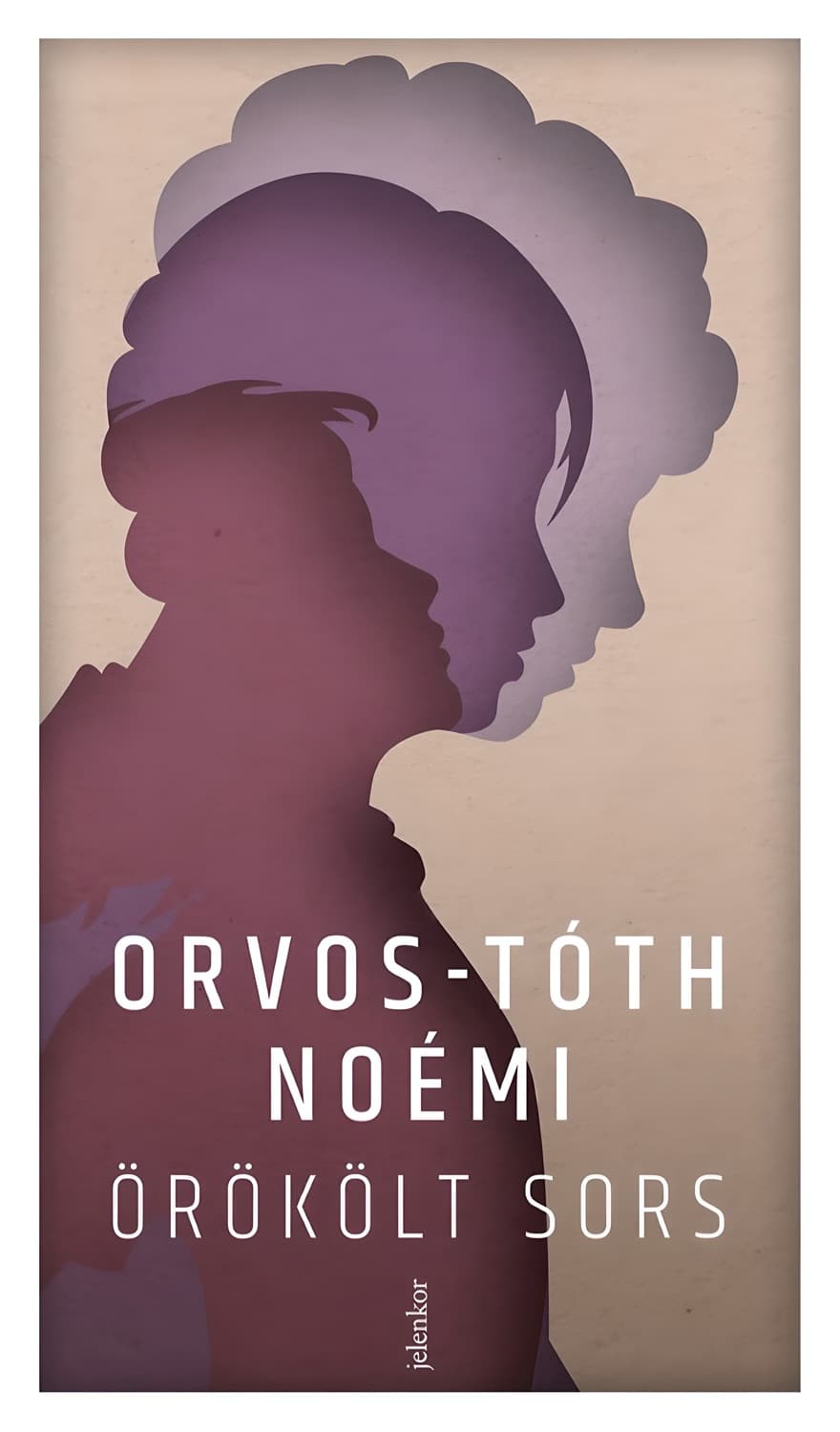
Inherited Trauma
Orvos-Tóth Noémi
Free download · 500+ book summaries
What is Inherited Trauma about?
Why patterns repeat across generations: the silent ways trauma, secrets, and unspoken roles travel from grandparents to grandchildren. Hungarian psychologist Orvos-Tóth Noémi blends transgenerational therapy research with case studies most readers will recognize from their own families. A breakthrough Hungarian bestseller about inherited fate, and how to break it.
Key ideas of Inherited Trauma
Trauma Lives in the Body
Unprocessed trauma is stored below language as physical sensations and fear responses that can surface decades later without conscious memory.
Epigenetic Inheritance of Fear
Severe stress reshapes gene expression across generations, so children inherit a nervous system calibrated for dangers their grandparents survived.
Family Secrets Organize the Household
Forbidden topics shape children's identities and symptoms even when no one ever names the original wound they are built around.
Read an excerpt from the summary
Inherited Trauma (Örökölt sors) Noémi Orvos-Tóth, 2018
A man in his fifties sits in the consulting room. Four times in the last year he has called an ambulance, certain he was having a heart attack. Each time the doctors found nothing wrong with his heart. The fourth time, the cardiologist sent him to a psychologist. Now he is here, watching the clock, defensive. Before the conversation can begin, he sets a rule. The past is off limits. He is, he says, an optimist. He prefers to look forward.
Orvos-Tóth listens, then asks about the past anyway. Slowly, over weeks, the picture comes into focus. His grandfather had joined the civilian resistance in Budapest in 1944. The cell was betrayed by one of its own members and turned over to the Arrow Cross fascists. His grandfather was tortured for days. His grandmother, eight months pregnant, sat at home not knowing if she would see her husband alive again. He was eventually released, a strong man reduced to a broken one. He drank to silence the nightmares, drifted away from the family, and died early. The patient never met him. He had never even heard the full story. But a single sentence had passed down through the family like a worn coin, repeated by his father at every important moment in his life. Anyone can betray you. Anyone. Watch your back. The panic attacks had started in his thirties, when his career began carrying real stakes, and they spoke a language his body remembered when his conscious mind did not.
This is the territory of the book. The trauma you did not live but inherited. The grief that skipped a generation and arrived in your bloodstream. The script you keep reading from, written by people who died before you were born. The patient's heart was healthy. What was not healthy was the dread he had been handed at birth, the inheritance that had nothing to do with money or genes in the simple sense and everything to do with the unprocessed terror of a man tortured by fascists eighty years before his grandson sat in a consulting room asking why he could not stop having heart attacks that were not heart attacks.
Like it?
Continue in the appWho is it for?
- Anyone who carries anxiety, depression, or relationship patterns that feel out of proportion to their own life history.
- Anyone who grew up in a family where certain topics were simply never discussed and senses there is a cost to that silence.
- Anyone whose parents or grandparents lived through war, deportation, persecution, or mass social upheaval.
- Anyone doing therapy who wants a framework that goes deeper than their own childhood to understand where their symptoms come from.
About the author: Orvos-Tóth Noémi
Noémi Orvos-Tóth is a Hungarian clinical psychologist trained at ELTE in Budapest, working in the imagination-based and family-systems traditions. She practiced for two decades before publishing this book, and her caseload kept surfacing the same pattern: patients whose symptoms could not be fully explained by their own childhood were carrying dread, grief, or mistrust that belonged to an earlier generation.
When Örökölt sors was published in 2018, it sold over half a million copies in a country of nine million people, making it one of the most widely read Hungarian nonfiction books in recent memory. Orvos-Tóth's contribution was not new science but a new application: bringing the transgenerational frame, built up by researchers including Rachel Yehuda and Anne Ancelin Schützenberger, directly to Central European families and the density of twentieth-century catastrophe they carry.
Read it in 43 minutes
The summary of Inherited Trauma and 500+ more books await in the BookBase app.