 English
 Magyar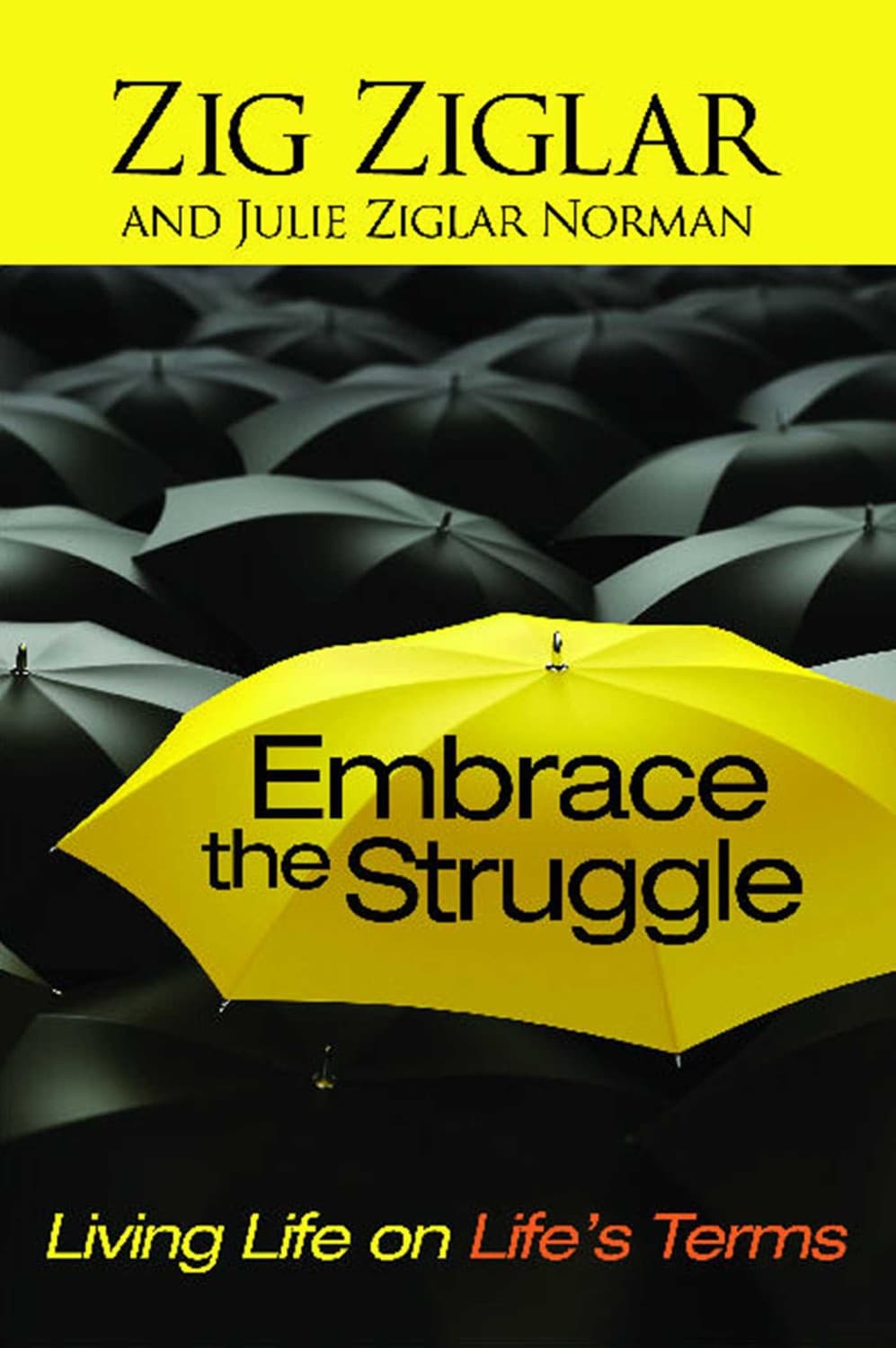
Embrace the Struggle
Zig Ziglar
Free download · 500+ book summaries
What is Embrace the Struggle about?
An unflinching meditation on the role of difficulty in human growth. James Allen, the author of As a Man Thinketh, argues struggle isn't an obstacle to a good life, it's the path to one. Short, lyrical, and deeply Stoic in spirit. The kind of book to keep on the desk and reread when life pushes hard.
Key ideas of Embrace the Struggle
Struggle as the Path Forward
Setbacks are not interruptions to a well-ordered life but the texture of being alive, and embracing them rather than fighting them is what makes progress possible.
Availability Over Ability
When the skills that built your identity stop working, what remains and still matters is your willingness to show up, be present, and keep offering what is underneath the performance.
Acceptance Is Not Surrender
Accepting a hard fact and continuing to work toward recovery are not in conflict, sorting what is changeable from what is fixed is where useful effort begins.
Read an excerpt from the summary
Embrace the Struggle: Living Life on Life's Terms
By Zig Ziglar with Julie Ziglar Norman (2009)
Opening hook
It was after 10 p.m. on March 7, 2007, when Zig Ziglar got out of bed in his Plano, Texas home to write down an idea. He had walked the path between his bedroom and his office across the upstairs hall thousands of times across twenty-two years in that house. He never turned on a light. He did not want to wake his wife Jean, the woman he calls the Redhead. That night, his left foot came down where the floor ended and the staircase began.
He fell sixteen marble steps. He hit his head on the floor at the bottom, then slammed it into the front door. He was unconscious for several minutes. His wife dialed 911. The paramedics came. The hospital found two brain bleeds. He had no broken bones, but he had vertigo and a brain injury that left his short-term memory, in his words, very, very short.
Ziglar was eighty years old. He had spent more than fifty years on stages telling audiences that attitude beats circumstance, that you can have everything in life you want if you help enough other people get what they want, that getting knocked down is a given but getting up is a choice. He had built a career on motion. He paced. He ran across stages. He dropped to one knee at the edge to make a point. After the fall, his children watched him for a season and concluded that the old format was finished. He could no longer hold a thread for thirty minutes. He could speak for ten seconds and not recall what he had just said.
The realization moment did not come at the bottom of the stairs. It came weeks later, when his son Tom and his friends Peter and Tamara Lowe sat down to figure out what to do with a Get Motivated Seminar booked in Houston six days after the accident. They could cancel the contracts. They could retire the brand quietly. Or they could put Ziglar on stage in a chair, with someone else asking him questions, and let the audience see exactly what had happened. They chose the third option. Two years later, Ziglar wrote that the message coming out of his mouth in that interview format reached people his old performance never could.
Like it?
Continue in the appWho is it for?
- Anyone who is caring for an aging or ill family member and needs honest, unsentimental company in that role.
- Anyone who has had a career setback, health crisis, or identity loss and is searching for a way to keep going with what remains.
- Anyone who wants a faith-based book on suffering that names the physical and emotional costs plainly rather than papering over them.
- Anyone who is watching a parent or mentor decline and wants a framework for grieving someone still alive.
About the author: Zig Ziglar
Zig Ziglar (1926 to 2012) grew up in Mississippi, the son of a father who died when Zig was five. His mother raised eleven children through the Depression. He began his career selling cookware door to door and eventually built one of the most recognized names in American motivational speaking and sales training. His 1975 book See You at the Top sold millions of copies. Over five decades he wrote more than twenty books, shared stages with five US presidents, and developed a following in Christian self-help writing after his conversion in middle age.
Julie Ziglar Norman, his youngest daughter and coauthor, had edited her father's books for sixteen years before a fall in 2007 changed his capacity to work alone. She is also a speaker and writer, and her own long-term sobriety from alcoholism, which her parents did not know about until she was already sober, informs her voice throughout this book.
Read it in 42 minutes
The summary of Embrace the Struggle and 500+ more books await in the BookBase app.