Ch. 1free to read
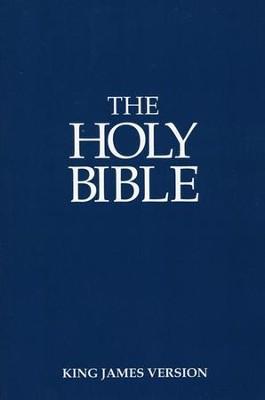
The Bible
What It’s About
Discover the Bible's timeless stories through an inviting guide that takes you from creation through Jesus's teaching. Through ancient patriarchs, trials, kings, and faith, the Bible reveals deeper truths about human nature, our choices, and God's covenant with us. Rather than dry theology or history, this summary traces the central arc across millennia: creation, separation, redemption, and restoration. It preserves the soul of the original while opening the door to the whole Scripture, sparking your own journey through its pages.
Three Key Ideas
Creation, Fall, and Redemption
The Bible's entire arc follows four movements: creation, separation from God through human pride, redemption, and the promise of restoration.
Human Dignity and Moral Weight
Every person bears the image of God, and every choice carries real consequences that ripple far beyond the individual moment.
Falling and Rising Again
From Noah to David to the exiled people, the recurring pattern is failure followed by return, showing that the road home never fully closes.
Read a Sample
The Bible: A Summary
Introduction: what the Bible is, and how to read this
Before we dive in, let's pause for a moment. This summary doesn't replace the Bible itself. It wasn't made to stand in for it, but to make you curious enough to read the whole thing. Think of it as a map of a vast stretch of country. It shows you the main roads and the best viewpoints, but the real experience is walking the ground yourself. A map is never the same as the mountain. But a map keeps you from getting lost, and it tells you what's worth seeing.
Now picture this. You've probably heard of the Bible many times. Maybe you've seen it on a shelf, thick and heavy, many thousands of pages of thin paper and small print. It may have looked daunting. That's how it feels to a lot of people. They think it's too big, too old, too complicated, something only priests and scholars can understand. Well, I want you to know something: that isn't true. Ordinary people have read the Bible for centuries. Shepherds, fishermen, mothers, children, kings and beggars. And you'll understand it too. I give you my word.
Let's start with the biggest misunderstanding. Most people assume the Bible is a single book. It isn't. The Bible is really a whole library, and even its name tells you so. The word "bible" comes from the Greek "biblia," which means books, in the plural. So it's not one book but a collection of books: sixty-six separate writings bound together under one cover.
Who It’s For
- Anyone who wants to understand the foundational stories behind Western literature, law, and culture.
- Anyone who finds the Bible intimidating and needs a clear, guided entry point into its major narratives.
- Anyone wrestling with questions about suffering, forgiveness, or the meaning of human dignity.
- Anyone curious about why billions of people across centuries have found this library worth returning to.
About the Author: Több szerző
The Bible is not the work of a single author. It was written by dozens of contributors over roughly fifteen hundred years, among them kings, shepherds, fishermen, prophets, and physicians. Some wrote in palaces, others wrote in desert exile or prison.
The texts were composed in Hebrew, Aramaic, and Greek, and gathered over centuries into the collection known today as the Bible. No single biography fits its authors, but together they produced the most widely translated and read book in human history.