Ch. 1free to read
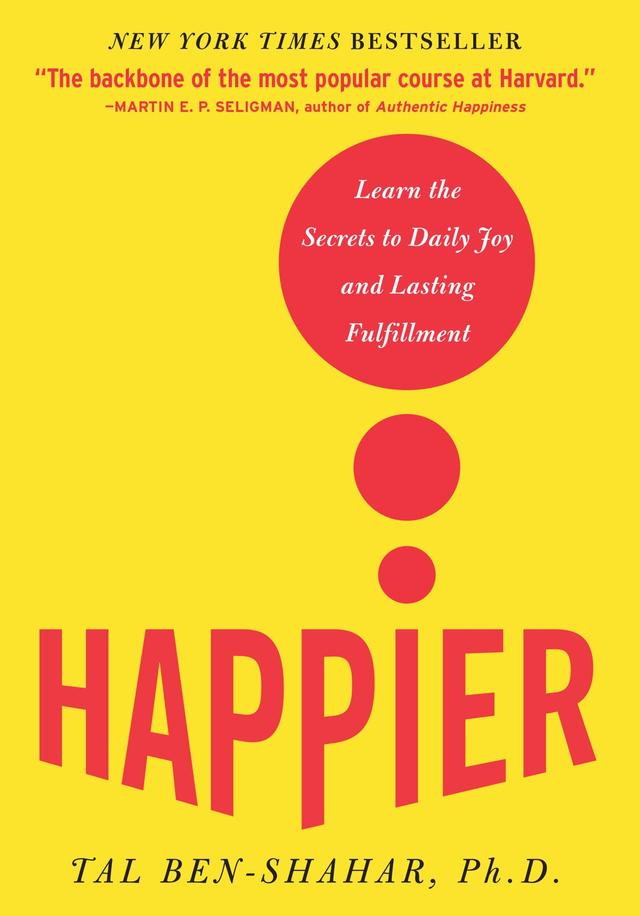
Happier
What It’s About
Harvard's most popular course on the science of well-being. Tal Ben-Shahar's framework of present and future benefit, the four happiness archetypes, and the daily practices that actually correlate with sustained well-being in research. Practical positive psychology before that label existed.
Three Key Ideas
Pleasure and Meaning Together
Lasting happiness requires both present enjoyment and future significance at the same time, not one sacrificed for the other.
The Four Happiness Archetypes
Most people default under stress to the rat racer or hedonist pattern, and recognizing that drift is the first step toward changing it.
Daily Practices That Compound
A nightly gratitude journal, a quarterly calendar audit, and the MPS decision filter are small habits with outsized, evidence-backed effects on well-being.
Read a Sample
Happier
*Tal Ben-Shahar (2007)*
Opening
Tal Ben-Shahar was the top-ranked junior squash player in Israel at sixteen. He trained five hours a day. He won the national championship. And on the night he held the trophy, expecting the wave of joy he had been chasing for years, he felt nothing. A flat, dull nothing. The next morning the question that would shape the rest of his life arrived uninvited. If reaching the top of the mountain does not deliver happiness, what was he climbing for?
He went to Harvard to study computer science, then philosophy, then psychology, hunting for an answer. The hunt turned into a course. The course turned into one of the most popular classes in Harvard's history, with a record 855 students enrolled in 2006. The class was called Positive Psychology. The book that came out of it was called Happier.
Who It’s For
- Anyone who has hit a major goal and felt surprisingly empty afterward.
- Anyone who sacrifices present enjoyment for future achievement and wonders why the payoff never feels like enough.
- Anyone who wants practical, research-backed tools for building a more fulfilling daily routine.
- Anyone who manages a team and wants shared language for talking about burnout and motivation.
About the Author: Tal Ben-Shahar
Tal Ben-Shahar holds a PhD in organizational behavior and a BA in philosophy and psychology from Harvard University. He taught Harvard's Positive Psychology course, which became the university's most popular class, with over 1,400 students enrolled in a single semester.
After leaving Harvard, he co-founded the Wholebeing Institute and the Happiness Studies Academy. He has consulted for Fortune 500 companies, governments, and militaries, and has written several follow-up books including The Pursuit of Perfect and Choose the Life You Want.